

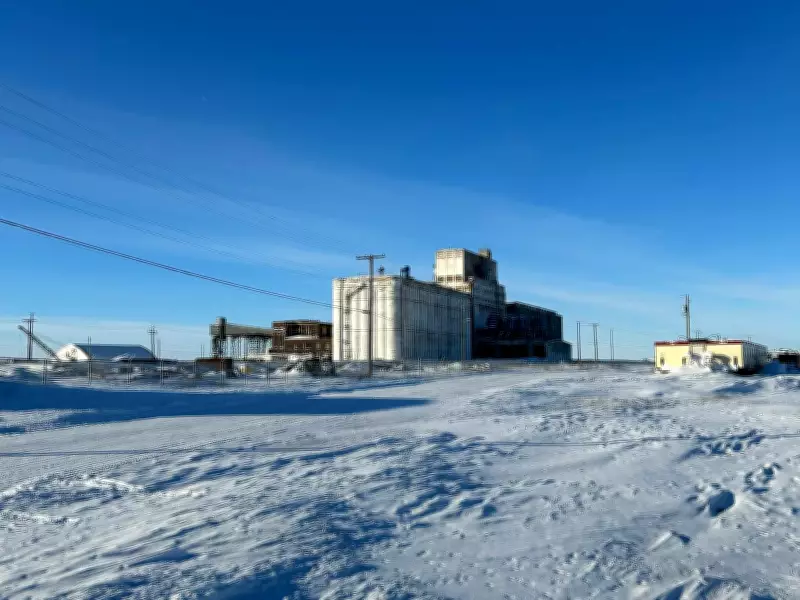
Federal Government Eyes Strategic Expansion of Northern Manitoba Port
The Canadian federal government in Ottawa is actively considering a major expansion of the Port of Churchill, located in the northern region of Manitoba. This initiative represents a significant step in strengthening Canada's Arctic sovereignty and enhancing economic interests in this strategically vital area. The renewed focus on Churchill underscores its importance as a key northern hub for transportation, trade, and national security.
Bolstering Arctic Presence and Economic Opportunities
By investing in the expansion of the Port of Churchill, Canada aims to reinforce its presence in the Arctic, a region of growing geopolitical and economic significance. The port serves as a critical gateway for shipping and resource development, facilitating access to remote communities and supporting industries such as mining, agriculture, and tourism. This move aligns with broader national strategies to develop northern infrastructure and assert Canadian sovereignty over Arctic territories.
The potential expansion could include upgrades to port facilities, increased capacity for cargo handling, and improved connectivity to transportation networks. Such enhancements would not only boost local and regional economies in Manitoba but also position Canada to capitalize on emerging opportunities in the Arctic, including international trade routes and resource extraction projects.

Implications for Manitoba and National Interests
For Manitoba, the expansion of the Port of Churchill promises to create jobs, stimulate economic growth, and enhance the province's role in Canada's northern strategy. It could lead to increased investment in related sectors, such as logistics and environmental monitoring, while supporting Indigenous communities and sustainable development practices. Nationally, this initiative reflects a proactive approach to addressing climate change impacts, as melting ice opens new maritime pathways in the Arctic.
As Ottawa weighs the details of this expansion, stakeholders from government, industry, and local communities are likely to engage in discussions to ensure the project balances economic benefits with environmental stewardship and social considerations. The outcome could set a precedent for future infrastructure projects in Canada's northern regions, emphasizing resilience and long-term planning.






