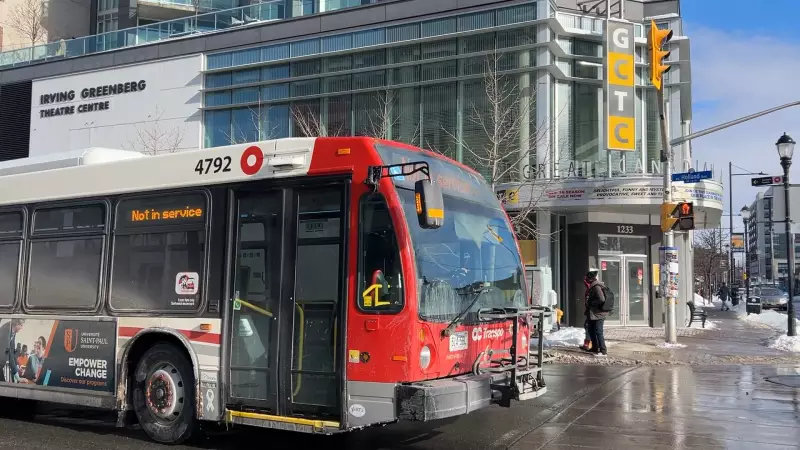
Ottawa's public transit system is implementing service reductions as it grapples with the challenges of maintaining an aging fleet of buses. The move by OC Transpo, confirmed on January 18, 2026, has sparked significant frustration among daily commuters who report growing tired of frequent delays and unreliable service.
Service Cuts Implemented to Manage Fleet Reliability
The decision to cut specific trips stems from the need to accommodate an older bus fleet that requires more frequent maintenance and faces higher rates of unexpected breakdowns. OC Transpo officials have stated that reducing the number of scheduled runs is a necessary step to create more buffer time in the schedule. This buffer is intended to improve the overall reliability of the remaining trips by allowing for maintenance and recovery from disruptions.
However, for many transit-dependent residents in Ottawa, this strategy has translated directly into longer wait times and more crowded vehicles. Riders have taken to social media and community forums to voice their concerns, describing situations where buses are consistently late or trips are cancelled without sufficient notice, disrupting work, school, and personal schedules.

Rider Frustration Mounts Over Persistent Delays
The sentiment among the riding public is one of exhaustion. Commuters express that the service cuts, rather than solving the delay problem, have simply made it a more predictable inconvenience. The sight of buses displaying "not in service" signs has become a common and disappointing sight across the city.
This operational challenge comes at a time when cities are encouraging the use of public transportation to reduce congestion and environmental impact. The reliability of OC Transpo is a critical factor for many Ottawa residents when choosing whether to leave their cars at home. Persistent issues threaten to undermine confidence in the system and reverse progress on municipal transit goals.
Looking Ahead: The Path for Ottawa's Transit
The current situation highlights the long-term planning and investment required for sustainable urban transit. An aging fleet is a finite problem, but its solution depends on capital funding for new vehicle purchases and a maintenance strategy that minimizes downtime. Transit advocates are calling for clear communication from OC Transpo regarding the timeline for fleet renewal and any interim measures to alleviate passenger hardship.
For now, Ottawa riders are left navigating a reduced schedule with the hope that these operational adjustments will eventually lead to the more consistent and dependable service they expect. The coming months will be a critical test of whether managing a smaller schedule with an older fleet can indeed improve the daily transit experience for thousands of people.