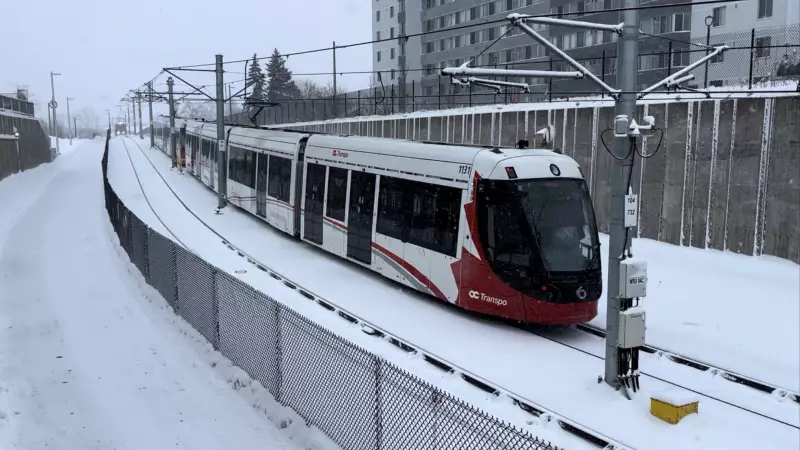
OC Transpo Implements Service Reduction on O-Train Line 1 After Uncovering New Train Defect
OC Transpo has announced a significant reduction in service for O-Train Line 1, following the discovery of a previously unidentified technical issue affecting the train fleet. This development comes as a setback for Ottawa's public transit system, which has been striving to improve reliability and capacity for the city's growing population.
Details of the Service Adjustment and Technical Concerns
The transit authority confirmed that the service cuts are a proactive measure to address the newly found problem, which could compromise operational safety and efficiency if left unaddressed. While specific details about the nature of the defect remain under investigation, OC Transpo officials have assured the public that the issue does not pose an immediate danger to passengers. However, the reduction in service frequency is expected to lead to longer wait times and increased crowding during peak hours, potentially disrupting the daily routines of thousands of commuters.
This incident adds to a series of challenges faced by Ottawa's light rail system, which has encountered various technical and operational hurdles since its inception. The O-Train Line 1, a critical component of the city's transportation network, has been under scrutiny for its performance and reliability, making this latest issue a focal point for both transit users and municipal authorities.

Impact on Ottawa Commuters and Broader Transit Implications
The service reduction is likely to have a ripple effect across Ottawa's transit ecosystem, with potential increases in alternative transportation modes such as buses, cycling, and private vehicles. Commuters are advised to plan their journeys accordingly, as OC Transpo works to implement temporary schedules and communicate updates through its official channels. The agency has emphasized its commitment to resolving the problem swiftly, with teams of engineers and technicians already deployed to diagnose and rectify the underlying cause.
In the broader context, this situation highlights the ongoing complexities of maintaining modern urban transit infrastructure, particularly in cities like Ottawa that rely heavily on public transportation to support economic activity and environmental sustainability goals. As OC Transpo navigates this latest obstacle, stakeholders are calling for increased transparency and robust contingency plans to mitigate future disruptions.
Residents and transit advocates are closely monitoring the developments, hoping for a prompt resolution that restores full service and reinforces confidence in the O-Train system. The coming weeks will be crucial in determining how effectively OC Transpo can manage this challenge while minimizing inconvenience for the public.