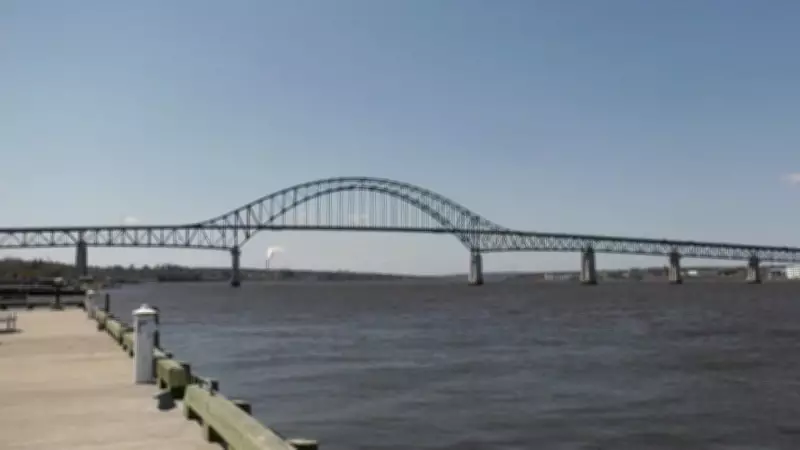
Miramichi Bridge Closure Sparks Transit Overhaul with New Routes and Water Taxi
The Centennial Bridge in Miramichi, New Brunswick, is set to undergo a significant closure from April to December 2026, impacting all vehicular and pedestrian traffic. In response to this extended shutdown, local authorities have announced a comprehensive plan to introduce new transit routes and a water taxi service, aiming to maintain connectivity and ease congestion during the construction period.
Details of the Closure and Alternative Transport Solutions
The bridge closure, which spans nine months, is part of essential maintenance and upgrade work to ensure the structure's long-term safety and functionality. To address the anticipated disruptions, the city will launch several new bus routes designed to reroute traffic efficiently around the affected area. Additionally, a water taxi service will be implemented across the Miramichi River, providing a unique and scenic alternative for commuters and residents.
Key features of the transit plan include:

- Enhanced bus schedules with increased frequency during peak hours.
- Designated pick-up and drop-off points near key landmarks and residential zones.
- The water taxi will operate daily, offering a reliable option for crossing the river without relying on detours.
Local officials emphasize that these measures are crucial for minimizing inconvenience and supporting the community's daily routines. "We recognize the challenges this closure poses, and our goal is to provide accessible and sustainable alternatives," stated a city spokesperson.
Community Impact and Preparations
Residents and businesses in Miramichi are advised to plan ahead for the closure, which is expected to affect travel times and logistics. The new transit options are part of a broader effort to promote public transportation and reduce environmental impact during the construction phase. Authorities will monitor the situation closely and adjust services as needed based on feedback and usage patterns.
This initiative highlights the importance of adaptive infrastructure planning in urban areas, especially when critical links like bridges are out of service. By integrating land and water-based solutions, Miramichi aims to set a precedent for handling similar disruptions in other regions.