A recent report from the National Capital Commission has once again brought the contentious issue of a proposed east-end interprovincial bridge in Ottawa to the forefront of public discussion. The decades-old debate, which pits the potential for traffic relief against environmental and community concerns, has been re-energized with fresh analysis.
Core Argument for the Bridge
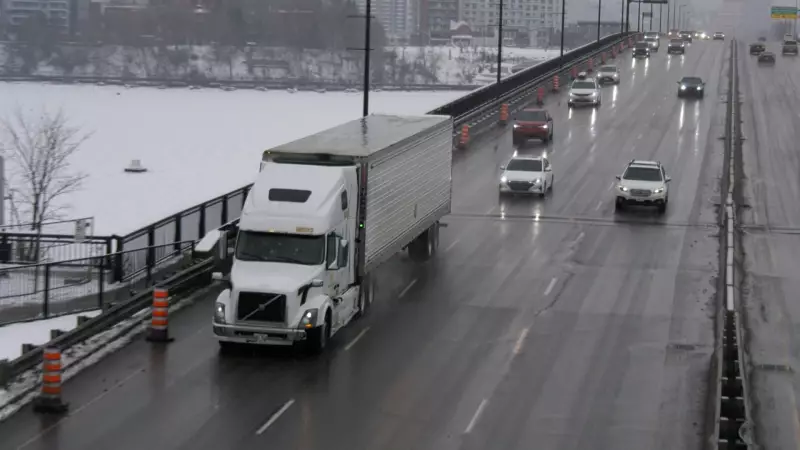
Advocates for the new river crossing maintain a central, compelling argument: the bridge would serve as a critical bypass for heavy trucking traffic currently navigating Ottawa's downtown streets. Proponents, including various business and transportation groups, contend that redirecting commercial vehicles away from the urban core would alleviate congestion, reduce wear and tear on city roads, and improve safety for pedestrians and cyclists. The concept has been a point of discussion for years, often surfacing during periods of heightened gridlock or infrastructure review.
The NCC's Role and Renewed Scrutiny
The National Capital Commission, as the federal crown corporation responsible for planning and development in the Capital Region, plays a pivotal role in any interprovincial infrastructure project. Its latest report, which examines transportation patterns and future needs, has provided new data that supporters of the east-end link are using to bolster their case. While the specific findings of the December 2025 report are being parsed by various stakeholders, its mere publication has guaranteed the bridge proposal a renewed spot on the municipal and regional agenda.

Opposing Views and Ongoing Challenges
Despite the perceived benefits, the proposed bridge faces significant and persistent opposition. Critics, often from community and environmental organizations, raise several key issues. These include the potential environmental impact on the Ottawa River and its shorelines, the disruption to established neighbourhoods, and questions about whether the project would simply induce more traffic rather than solve existing problems. Furthermore, the enormous financial cost and the complex jurisdictional coordination required between Ontario, Quebec, and the federal government present substantial practical hurdles.
The debate, as highlighted by the NCC's latest analysis, remains a classic urban planning dilemma balancing immediate logistical needs against long-term community and environmental health. The report ensures that the question of an east-end interprovincial bridge will continue to be a hot-button issue for Ottawa residents, planners, and politicians as they chart the city's future growth and transportation network.