Beyond Musk: Multiple Factors Driving Tesla Owner Exodus Amid EV Market Shift
While Elon Musk's controversial public persona has certainly alienated some Tesla owners, the electric vehicle giant's challenges extend far beyond its polarizing CEO. Recent sales data and consumer research reveal a complex web of factors contributing to Tesla's declining market position, including an aging vehicle portfolio, broader industry headwinds, and increasing competition in the rapidly evolving EV landscape.
The Musk Factor: When Personal Brand Impacts Consumer Choice
Tori Horowitz's experience exemplifies how Musk's behavior has influenced consumer decisions. The Los Angeles realtor, who previously drove a 2021 Tesla Model S for her frequent 80-mile trips to Ojai, California, appreciated the vehicle's efficiency and performance but ultimately traded it for an electric Audi Q4 e-tron in 2024. "I was not cool with supporting, or telegraphing supporting, him," Horowitz explains, referencing Musk's public spats with political figures, endorsement of antisemitic content on X, and allegations of sexual harassment and erratic drug use.
Research supports Horowitz's sentiment as part of a broader trend. Customer-experience firm Creative Strategies identified owner frustration with Musk as a distinct vulnerability for Tesla back in 2022. Similarly, research firm Escalent found in a 2021 study that Musk was considered among the top drawbacks of the Tesla brand among EV owners. "Tesla would do a lot better if it wasn't polarizing in that way, on either side," notes Anthony Salerno, senior vice president of automotive analytics at J.D. Power.

Sales Data Reveals Broader Challenges
Recent sales figures confirm Tesla's struggles despite exceeding fourth-quarter adjusted earnings estimates. In 2025, Tesla's global sales declined nine percent, with United States sales falling seven percent from 2024 according to Cox Automotive. Particularly concerning is the company's performance in California, its largest U.S. market, where Tesla's share among newly registered vehicles dropped to under ten percent in 2025, down from 11.6 percent in 2024 according to Experian data.
These declines coincide with what industry analysts describe as a broader slowdown in EV adoption worldwide. BloombergNEF predicts global electric vehicle sales growth will slow to just twelve percent in 2026, weaker than the twenty-three percent growth recorded in 2025. This represents a significant deceleration from previous years when EV and plug-in hybrid sales climbed twenty-six percent in 2024 and thirty-four percent in 2023 according to Bloomberg's Electric Vehicle Outlook.
Aging Portfolio and Market Headwinds
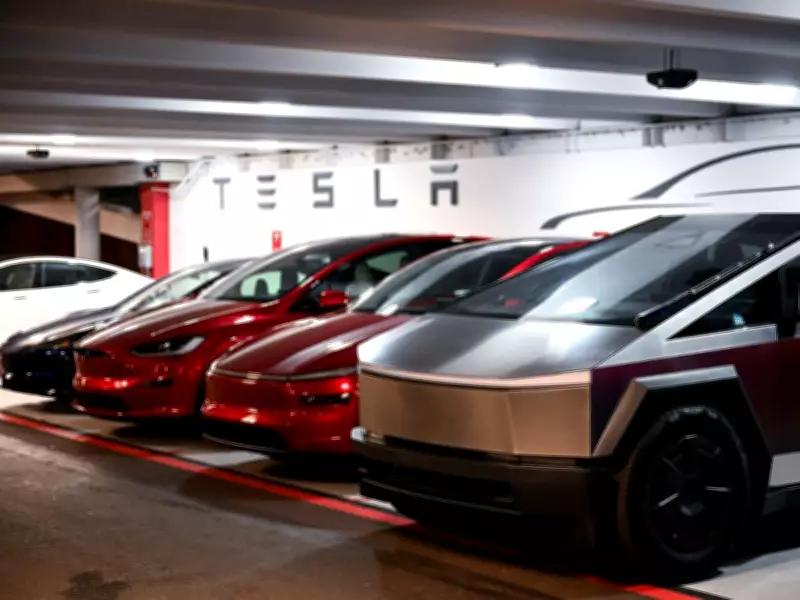
Compounding Tesla's challenges is its aging vehicle lineup. The company hasn't launched a fully new vehicle since the Cybertruck in 2023, forcing it to compete with fresher offerings from traditional automakers and new EV startups. This comes at a time when consumers face multiple disincentives to EV adoption:
- The loss of federal tax credits in 2025
- The end of emissions waivers and revenues from carbon credits
- Diminished aftermarket values due to battery degradation concerns
- Anticipation of rapidly evolving technologies making current models obsolete
Even Tesla's widely recognized Supercharger network advantage hasn't fully offset consumer concerns about charging inefficiencies as infrastructure expands across the United States. Meanwhile, global policy shifts have created additional headwinds, with China ending some subsidies and Europe scaling back attempts to eliminate combustion engines entirely.
The Competitive Landscape Intensifies
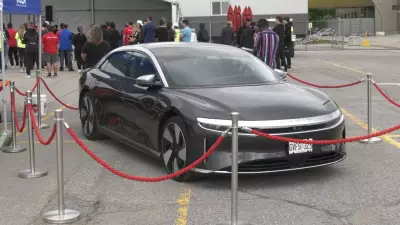
Perhaps most significantly, Tesla now operates in a fundamentally different competitive environment than it did during its early dominance of the EV market. Consumers now have numerous compelling alternatives from established automakers like Audi, BMW, Ford, and General Motors, as well as from dedicated EV manufacturers like Rivian and Lucid. This proliferation of options means Tesla can no longer rely on being the only premium electric vehicle choice for environmentally conscious consumers.

The combination of these factors—from Musk's polarizing leadership to market-wide challenges and increased competition—paints a complex picture of Tesla's current predicament. While the company's innovative technology and charging infrastructure remain strengths, addressing these multifaceted issues will require more than just charismatic leadership as Tesla navigates an increasingly crowded and challenging electric vehicle marketplace.