Nashville Metro Council Voices Strong Opposition to Elon Musk's Proposed Tesla Tunnel Loop
Elon Musk's ambitious vision for an underground transportation system in Nashville has encountered a formidable roadblock as the city's Metro Council has expressed significant opposition to the project. The proposed Music City Loop, developed by Musk's The Boring Company, aims to create a network of tunnels to alleviate traffic congestion in the bustling Tennessee capital, but local officials are raising serious concerns about its feasibility and impact.
Construction Progress Amid Growing Controversy
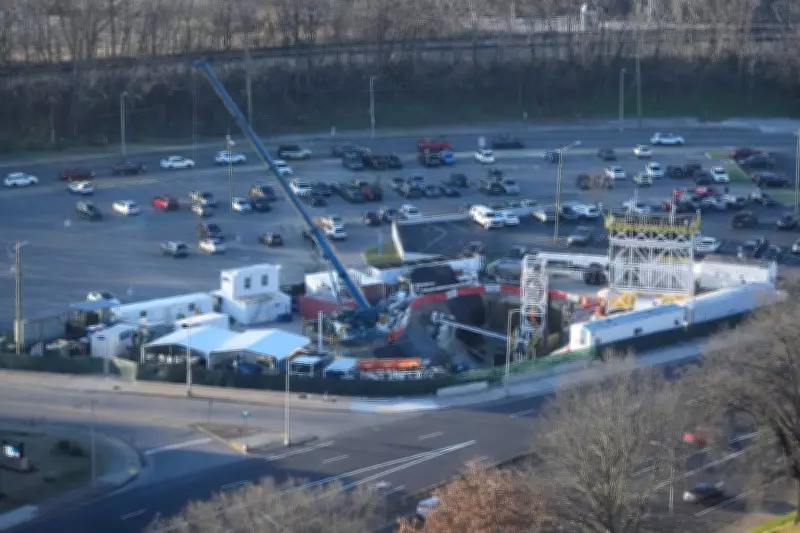
Despite visible construction activity that began in early 2026, with work documented at the site on January 16th of that year, the project now faces mounting political resistance. The Metro Council's opposition stems from multiple factors, including questions about the tunnel's long-term viability, potential disruptions to existing infrastructure, and whether it aligns with Nashville's broader urban planning goals. Council members have voiced apprehension about committing public resources and space to a project that remains largely untested on such a scale in urban environments.
Technical and Regulatory Hurdles
The Boring Company's tunnel technology, which utilizes electric vehicles on dedicated underground tracks, promises to revolutionize urban transit by offering high-speed point-to-point transportation. However, critics point to regulatory challenges, including safety certifications, environmental assessments, and integration with Nashville's current public transit systems. The council's opposition highlights a broader debate about how cities should balance innovative private-sector solutions with traditional public infrastructure development and community oversight.

Nashville residents and business owners have expressed mixed reactions to the proposed loop. While some welcome the potential reduction in surface traffic and the futuristic appeal of the technology, others worry about construction noise, property value impacts, and whether the project will truly benefit all neighborhoods equally. The Metro Council's stance reflects these divided opinions, with many councilors calling for more comprehensive public consultations and independent studies before any further approvals are granted.
National Context and Musk's Track RecordThis opposition in Nashville occurs against a backdrop of similar challenges for Musk's infrastructure ventures in other cities, where regulatory pushback and community concerns have sometimes delayed or altered projects. The Boring Company has previously implemented smaller-scale tunnels in Las Vegas and is pursuing projects in other metropolitan areas, but the Nashville proposal represents one of its most ambitious urban integrations to date. The council's resistance underscores the complex interplay between technological innovation and municipal governance in modern city planning.
Future Prospects and Negotiations
Despite the current opposition, negotiations between The Boring Company and Nashville officials are expected to continue, with possible modifications to the original proposal being discussed. Key points of contention include funding arrangements, timeline adjustments, and enhanced community benefit agreements. The outcome will likely influence how other cities approach similar proposals from private tech firms seeking to reshape urban transportation landscapes.