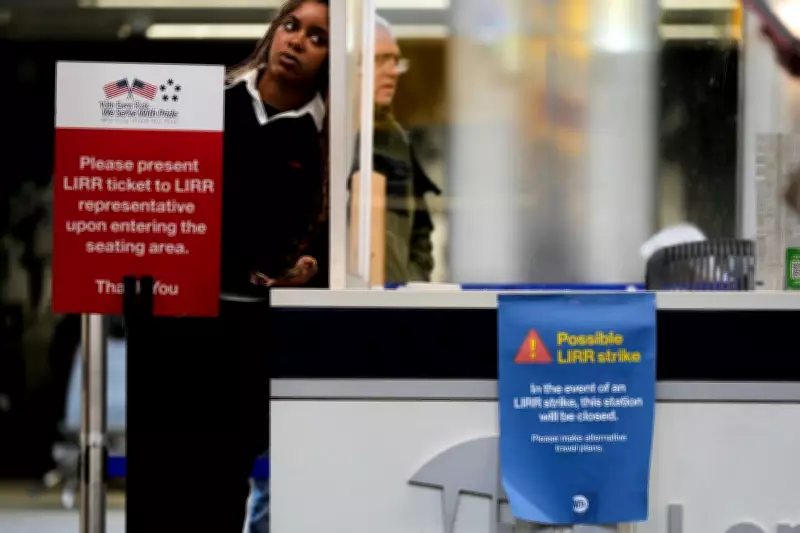
North America's largest commuter rail system, the Long Island Rail Road (LIRR), ground to a halt on May 16, 2026, as workers launched a strike, causing widespread disruption for thousands of daily commuters in the New York metropolitan area.
Strike Details
The walkout began at 7:49 AM EDT, with workers citing unresolved disputes over wages, benefits, and working conditions. The strike affects approximately 300,000 daily riders who rely on the LIRR for travel between Long Island and Manhattan.
Impact on Commuters
Penn Station in New York City saw chaotic scenes as commuters scrambled for alternative transportation. Many were left stranded, with bus services and other rail lines quickly overwhelmed. The strike has also raised concerns about economic losses, as businesses in Manhattan and Long Island face reduced foot traffic and employee absenteeism.

Background
The LIRR, operated by the Metropolitan Transportation Authority (MTA), has a history of labor disputes. The last major strike occurred in 1994, lasting 11 days. Negotiations had been ongoing for months, but talks collapsed earlier this week. The MTA has urged both sides to return to the bargaining table, but no new sessions have been scheduled.
Reactions
New York Governor Kathy Hochul called the strike "unacceptable" and urged federal mediation. Meanwhile, union representatives stated that workers are seeking fair compensation and improved safety measures. Commuters expressed frustration, with many calling for a swift resolution.
Broader Implications
The strike highlights ongoing challenges in the transportation sector, including labor shortages and infrastructure strain. It also comes amid other disruptions, such as a TTC strike deadline in Toronto and highway closures in Ontario. The LIRR shutdown is expected to have ripple effects on regional traffic and air quality as more cars hit the roads.