Iran Conflict Threatens to Increase Air Travel Costs for British Columbia Passengers
The sudden outbreak of war in Iran has sent shockwaves through global markets, triggering a sharp rise in oil prices, stock market declines, and widespread concerns about prolonged inflation and supply chain disruptions. This international crisis serves as a stark reminder that everyday consumers often bear the financial burden when world events spiral into conflict, and residents of British Columbia are no exception.
Jet Fuel Supply Disruptions and Rising Costs
The closure of the Strait of Hormuz, a critical maritime passage, has effectively cut off approximately twenty percent of the world's oil supply, including the refined jet fuel essential for airline operations. While Middle Eastern producers are attempting to reroute tankers to mitigate the impact, supply constraints are expected to persist as long as the conflict continues, directly affecting aviation fuel availability and pricing.
"Fuel represents the largest input cost for any airline," explained Julia Kaiser, a spokeswoman for WestJet. "The recent sharp increase in prices due to the situation in Iran has already made operating flights significantly more expensive." Kaiser indicated that fare adjustments might be necessary soon as airlines closely monitor developments and adapt their strategies, though she emphasized WestJet's commitment to maintaining affordable air travel options for customers.

Airlines Respond to Volatile Fuel Markets
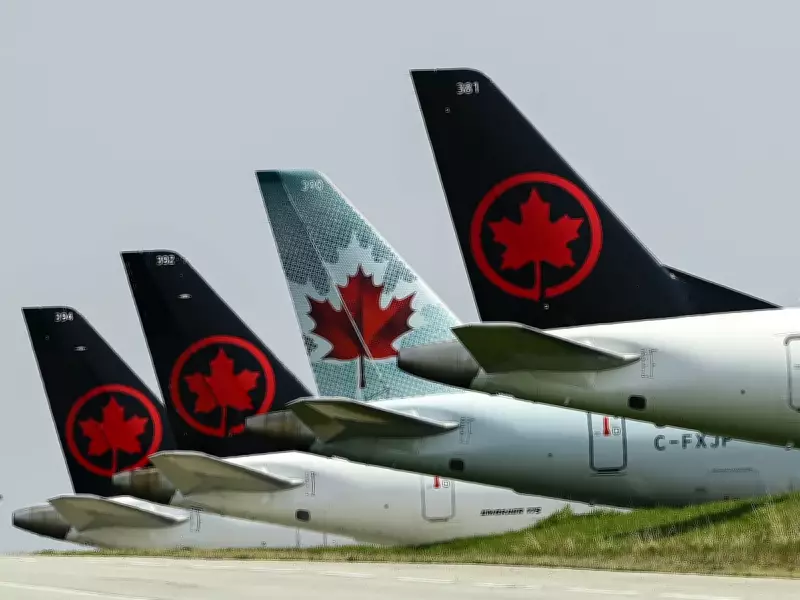
Air Canada spokesman Christophe Hennebelle declined to speculate on future fuel price trends, noting that airlines are legally restricted from making such predictions. "Our prices vary according to a number of factors, including, of course, the price of jet fuel," he stated. Hennebelle revealed that Air Canada has taken hedging positions on a small portion of its short-term fuel needs to manage volatility for already booked revenues, and the airline sources fuel from multiple global suppliers and refineries in hopes of avoiding substantial fare hikes.
However, he acknowledged that "all airlines are subject to the current volatility in fuel prices," underscoring the industry-wide challenge. Werner Antweiler, an economist at the University of British Columbia's Sauder School of Business, reported that jet fuel prices at Vancouver International Airport have surged dramatically. Air Canada entered the quarter anticipating fuel costs averaging 90 cents per litre, but prices at YVR ranged from $1.29 to $1.37 on a recent Tuesday, highlighting the severe market disruption.
Broader Economic Implications Beyond Aviation
Antweiler warned that the ripple effects of the Iran conflict extend far beyond air travel. "This is all going to percolate through the entire economy because fuel is used in all types of transportation," he noted. Additionally, oil is a key component in plastics manufacturing, and the Middle East hosts numerous energy-intensive industries that are now facing operational disruptions due to the war.
"The Strait of Hormuz isn't just about oil and gas," Antweiler emphasized, pointing to the broader economic vulnerabilities exposed by the geopolitical turmoil. As airlines grapple with escalating fuel expenses, British Columbia travelers should prepare for potential increases in airfare, reflecting the direct impact of international conflicts on local transportation costs.