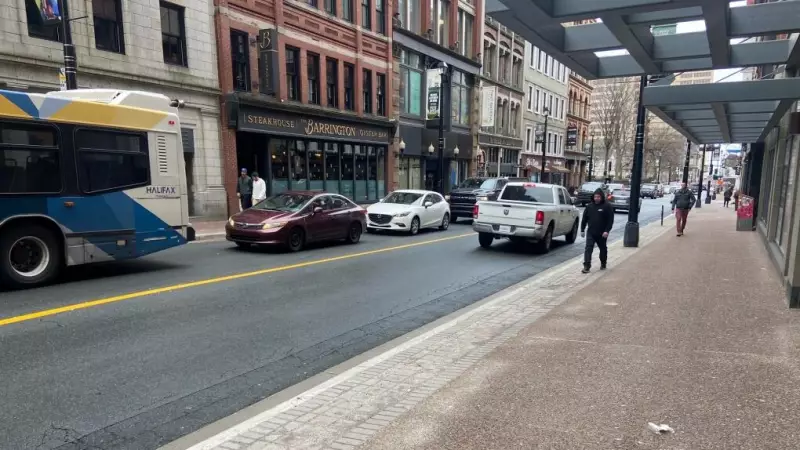
Halifax Commuters Endured Four Days of Rush Hour Gridlock in 2025, According to New Research
A comprehensive transportation study has revealed a startling statistic about daily life in Nova Scotia's capital: Halifax drivers collectively lost the equivalent of four full days sitting in rush hour traffic during 2025. This significant finding underscores the growing challenges of urban mobility and congestion in one of Atlantic Canada's most important metropolitan areas.
The Growing Burden of Urban Congestion
The research, which analyzed traffic patterns and commute times throughout the Halifax Regional Municipality, paints a concerning picture of transportation efficiency. The four days of lost time represents a substantial increase compared to previous years, indicating that traffic congestion is becoming more severe despite various municipal initiatives. This time loss translates to reduced productivity, increased stress for commuters, and higher vehicle operating costs for households and businesses alike.
The study's methodology involved tracking average commute times during peak morning and evening periods, then extrapolating the additional time spent in traffic compared to free-flow conditions. Researchers considered various factors including population growth, infrastructure limitations, and seasonal variations in traffic patterns. The results suggest that without significant intervention, this trend of increasing congestion will likely continue, potentially reaching even more alarming levels in coming years.

Economic and Quality of Life Implications
Beyond the obvious frustration for individual drivers, this level of traffic congestion carries substantial economic consequences. Businesses face challenges with logistics and employee punctuality, while the environmental impact of idling vehicles contributes to air quality concerns. The study notes that this traffic burden falls disproportionately on certain corridors and neighborhoods, creating inequitable transportation experiences across the Halifax region.
"The cumulative effect of daily traffic delays represents a significant drain on both personal time and regional economic vitality," the study authors noted in their summary. They emphasized that addressing this issue requires a multi-faceted approach including potential infrastructure improvements, enhanced public transit options, and possibly revised urban planning strategies to reduce dependency on single-occupancy vehicles during peak hours.
Looking Toward Solutions
Transportation experts suggest several potential approaches to mitigate Halifax's growing traffic challenges:
- Enhanced public transit infrastructure and frequency
- Development of more efficient traffic management systems
- Encouragement of alternative work arrangements like telecommuting
- Strategic road network improvements in key congestion areas
- Promotion of active transportation options where feasible
The study serves as a wake-up call for municipal planners and policymakers, highlighting the urgent need to address transportation infrastructure before congestion reaches critical levels. As Halifax continues to grow and develop, finding sustainable solutions to traffic challenges will be essential for maintaining quality of life and economic competitiveness in Nova Scotia's largest urban center.