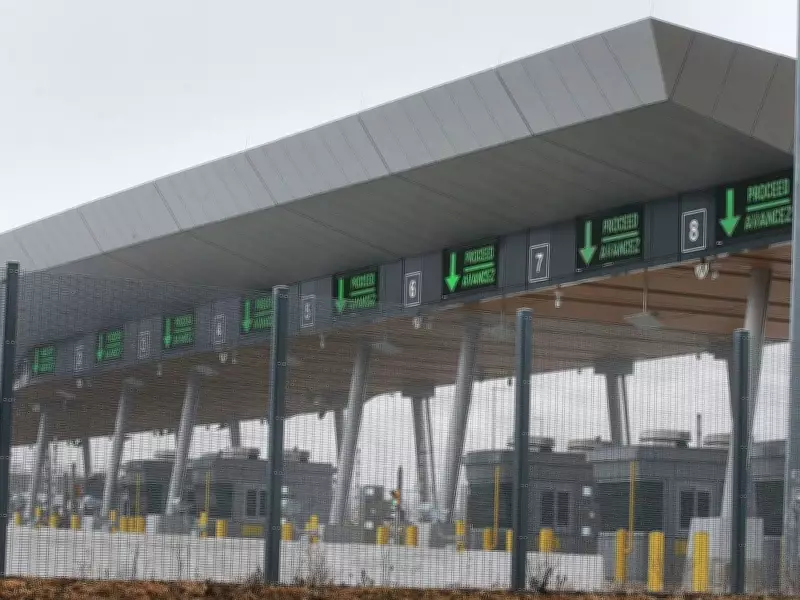
Gordie Howe Bridge Opening Delays Could Cost $7 Million Weekly, Report Warns
A new report from the Anderson Economic Group (AEG), a consulting firm based in East Lansing, Michigan, highlights that any delay in opening the Gordie Howe International Bridge to traffic and toll collection could cost the Windsor-Detroit Bridge Authority up to $7 million per week in lost revenues. The study, released in February 2026, follows concerns over potential political interference, including threats from former U.S. President Donald Trump to block the bridge's opening.
Financial Burden Falls Heavily on Canadians
The report emphasizes that "much of the burden" of these financial losses will fall on Canadian lenders, businesses, and taxpayers. According to AEG, the weekly costs include approximately $5 million in lost operating revenues and an additional $2 million for customs and plaza operations. These figures represent direct and unavoidable expenses, not accounting for full amortized costs or foregone tolling revenue.
Under the International Crossing Agreement, Michigan owns a 50 percent interest in the bridge, meaning taxpayers in the United States and residents of Michigan will also share part of the cost. However, the report stresses that Canadians are disproportionately affected by any delays.

Broader Economic Implications Beyond Direct Losses
The potential economic damage could extend far beyond the immediate financial losses. The report notes that operating losses are "only a fraction of the costs" to key industries such as automotive, agriculture, and tourism, which rely on efficient cross-border trade between the U.S. and Canada. A delay could disrupt supply chains and economic activity across multiple states and provinces.
Despite these risks, Patrick Anderson, AEG's chief executive officer and the report's author, remains confident in the bridge's economic viability, even if opening is postponed. He describes the nearly completed structure as a "hugely valuable infrastructure" asset for both nations, with potential delay costs being a tiny fraction of its overall value.
Report Methodology and Official Response
The AEG report relied on extensive automotive industry and economic data collected over two decades, along with information from the International Crossing Agreement, public reports from the Windsor-Detroit Bridge Authority, U.S. Federal Highway Association outlines, Canadian government briefings, and bond rating agency reports. A spokesperson for the Windsor-Detroit Bridge Authority acknowledged awareness of the report but declined to comment on its findings, citing a lack of access to the underlying data used in the Michigan study.
As the Gordie Howe International Bridge nears completion, stakeholders are closely monitoring developments to mitigate financial and economic impacts from any potential delays.