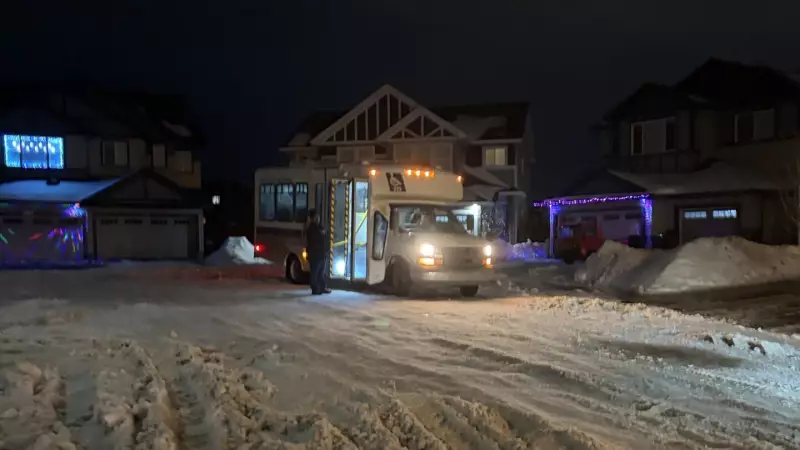
The family of a disabled transit user is demanding immediate policy changes from Edmonton's DATS service after a bus carrying their loved one became stuck in deep snow for several hours, leaving the passenger stranded and without clear communication.
An Ordeal in a North Edmonton Neighbourhood
The incident occurred on January 13, 2026, in a residential area of north Edmonton. A DATS (Disabled Adult Transit Service) bus became immobilized by heavy snow, trapping the passenger onboard. According to the family, the vehicle remained stuck for multiple hours before the situation was fully resolved.
The passenger's relatives have come forward to highlight what they see as a critical failure in communication protocols. They report receiving insufficient updates from the transit service during the lengthy ordeal, which caused significant distress for both the individual on the bus and their worried family.

Calls for Improved Communication and Protocol
The core of the family's appeal focuses on DATS's emergency and delay notification policies. They argue that when vulnerable passengers, who often rely on the service for essential medical appointments and daily needs, are involved in such incidents, a more robust and proactive communication system is non-negotiable.
The family is urging DATS and the City of Edmonton to review and reform their procedures to ensure that in any future delay or emergency, passengers and their designated contacts are informed promptly, accurately, and regularly until the situation is safely concluded.
Broader Implications for Accessible Transit
This event has sparked a wider conversation about the resilience and reliability of specialized transit services during Edmonton's harsh winter months. Advocates for people with disabilities emphasize that services like DATS must have contingency plans that account for extreme weather, which is a predictable challenge in the region.
The call for change extends beyond a single incident. It touches on the fundamental responsibility of a municipal service to protect and communicate effectively with its most vulnerable users, ensuring their safety and dignity are prioritized, especially during crisis situations.
As of the publication of this report, the family continues to seek formal answers and assurances from DATS management that policy revisions will be implemented to prevent a repeat of this harrowing experience.