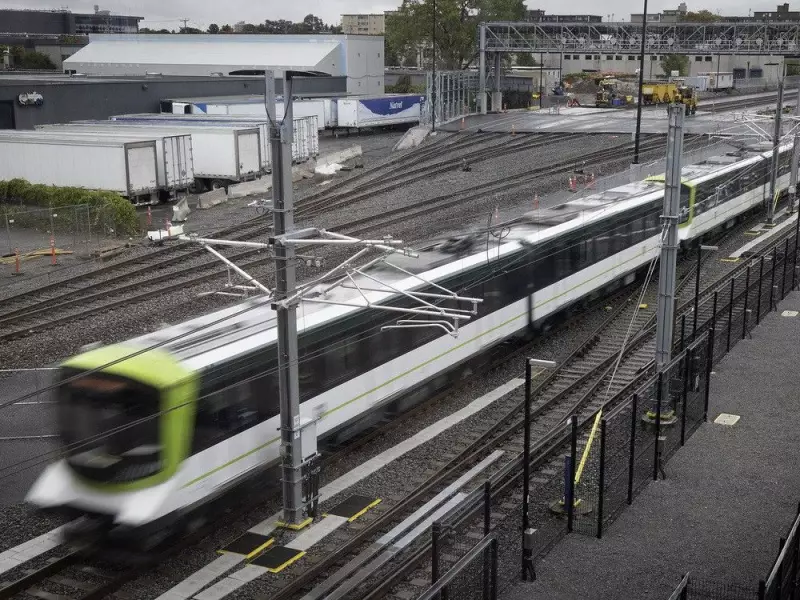
Commuters on the Mascouche train line are set for a dramatically faster journey to downtown Montreal starting Monday, January 8, 2026. The long-awaited intermodal link at the new Côte-de-Liesse station in St-Laurent will finally open, providing a seamless transfer to the Réseau express métropolitain (REM) light-rail network.
End of a Detour, Start of a Faster Commute
This connection marks the end of a significant disruption that began in 2020. Back then, access to the Mount Royal tunnel was severed for Mascouche line users to allow REM construction crews to convert the tunnel's tracks for the new light-rail system. Since that cutoff, passengers faced two less-than-ideal options: a transfer to the Sauvé métro station, requiring a six-minute outdoor walk, or taking one of only six daily trains that followed a lengthy, circuitous route to Central Station, a trip taking roughly two hours.
The new station, located north of Highway 40, was built specifically as a transfer hub between the two networks. Commuters who previously endured the two-hour trek will save approximately 45 minutes with this new, integrated route. The REM leg from Côte-de-Liesse to the downtown McGill station takes just about 10 minutes.

New Schedule and Improved Transit Options
Coinciding with the station opening, a new schedule will take effect for the Mascouche Line. All departures will now begin or terminate at the Côte-de-Liesse station, solidifying its role as the primary gateway to the REM and the wider network.
Philippe Dubé, operations director for the Autorité régionale de transport métropolitain (ARTM), highlighted the benefits in a statement. He emphasized that this new link provides transit users with more efficient options and greater flexibility to reach their final destinations across the region.
A Major Step for Regional Connectivity
The opening of the Côte-de-Liesse link is a pivotal moment for Montreal's north-shore commuters. It effectively re-establishes a direct, rapid rail connection to the city's core that was lost for nearly six years. This integration is a key example of how the expanding REM network is designed to connect with and enhance existing transit infrastructure, promising a more cohesive and user-friendly public transportation system for the Greater Montreal area.