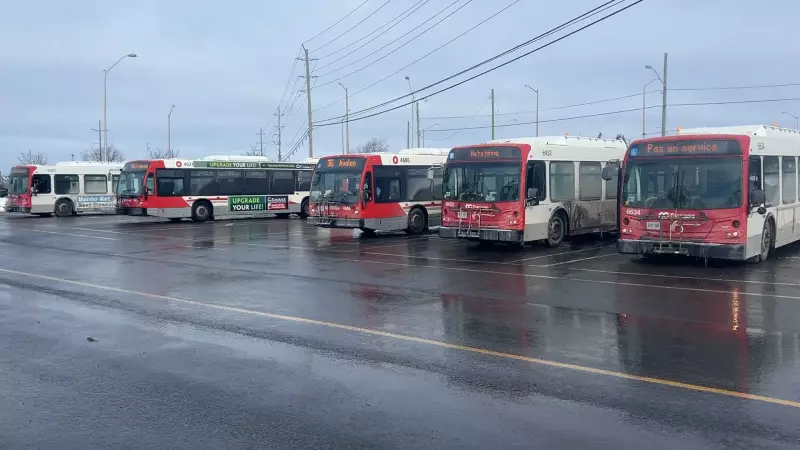
Public transit riders in Ottawa are facing higher costs to start the new year, with a fare increase for OC Transpo services taking effect on January 1, 2026. The price hike, which amounts to a 2.5 percent rise, has drawn immediate and critical reactions from commuters who rely on the city's bus and light rail network.
Details of the 2026 Fare Adjustment
The increase, confirmed by transit authorities, applies to the base cost of a single ride across the OC Transpo system. This adjustment marks a continued trend of incremental annual fare raises, though the timing at the start of the year has placed an additional financial burden on residents already grappling with post-holiday expenses. The change was implemented without fanfare on the first day of 2026, catching some regular users by surprise during their return to work and school routines.
Rider Reactions: Frustration and Resignation
Initial feedback from the riding public has been largely negative, with many expressing dismay at the added cost. Commuters interviewed described the increase as "gross" and an unwelcome development for household budgets. The sentiment among frequent users is one of frustration, particularly for those who depend on OC Transpo as their primary mode of transportation and have limited alternatives. The hike comes amid ongoing discussions about service reliability and coverage in the nation's capital.

While the percentage increase is consistent with recent annual adjustments, the cumulative effect over several years is becoming more noticeable for daily riders. For individuals purchasing monthly passes or paying per ride, the 2.5 percent rise will translate into dozens of extra dollars spent over the course of the year.
Broader Context and What Comes Next
This fare adjustment is part of the city's approved transit budget and operational planning. Revenue from fares is a critical component of funding the OC Transpo system, which has faced significant operational challenges and financial pressures in recent years, including the ongoing integration of the Confederation Line light rail.
The increase arrives as the City of Ottawa itself reported responding to 32 requests for water main leaks and breaks over the recent Christmas holidays, highlighting the competing demands for municipal infrastructure funding. Transit advocates often argue that while fare increases are sometimes necessary, they must be paired with tangible improvements in service frequency, punctuality, and customer experience to maintain public support.
As Ottawa residents adjust to the new fare structure, attention will likely turn to how these additional funds are allocated within the transit system and whether riders will see a corresponding enhancement in the quality and reliability of their daily commute.