

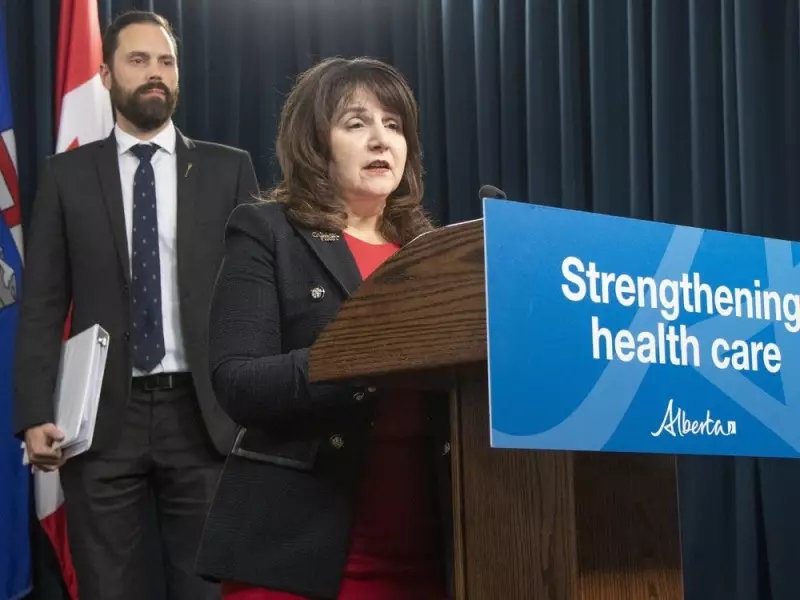
The introduction of Bill 11 in Alberta has ignited a fierce national conversation about the integrity of Canada's universal health care system. The proposed reforms, championed by Minister of Primary and Preventative Health Adriana LaGrange at the Alberta Legislature on Monday, November 24, 2025, aim to expand private-pay services and permit physicians to engage in dual billing. This move has placed a spotlight on the fundamental question: who ultimately pays the price when profit becomes a driving force in medicine?
The Core Conflict: Equity Versus Access
Opponents of the bill argue that legitimizing a parallel private system will inevitably create a two-tiered structure. In this model, wealth buys faster access, leaving those without means to face longer waits in the public queue or forgo care altogether. This potential reality stands in direct opposition to the Canadian principles of equity and justice that underpin the public health care model.
However, the debate is complicated by the current state of health care access. Canadians routinely wait months or years for medically necessary procedures. A stark 2025 OECD world health report found that 50 per cent of Canadians are dissatisfied with access to health services. The existing single-payer model, as it functions today, is struggling to meet population needs, leading some to ask if private capacity could relieve crippling backlogs.

The Profit Motive and Its Unintended Consequences
The discussion extends beyond ideology to the practical implications of profitability. While profit in health care is not new, the who, how, and at what cost are critical public concerns. For years, Canadians with means have bypassed public waitlists by paying for private surgeries, sometimes in other provinces. Procedures like hip and knee replacements are a significant business, with private clinics often charging 50 per cent more than the public system for the same surgery.
These clinics operate as businesses where efficiency and turnover drive profits. This creates an incentive to prioritize healthy patients with low-acuity, predictable surgeries. Health care, however, is inherently human and unpredictable. Complications from infections or complex conditions are inevitable.
When Private Profit Meets Public Responsibility
A critical flaw emerges when complications arise in a private, for-profit setting. These facilities frequently lack the mandate or resources to manage costly, unpredictable care. As a result, patients are often transferred to public hospitals, shifting the financial and medical burden back onto the universal system. This dynamic raises serious questions about quality oversight, as many private clinics are self-regulated, and whether efficiency can sometimes trump patient safety.
The debate over Bill 11 is more than a provincial policy discussion; it is a referendum on the future values of Canadian health care. It forces a difficult choice between seeking immediate solutions to access crises and safeguarding a system designed to care for everyone equally, regardless of their ability to pay.






