Cyclists Stranded by License Plate Regulations in Calgary
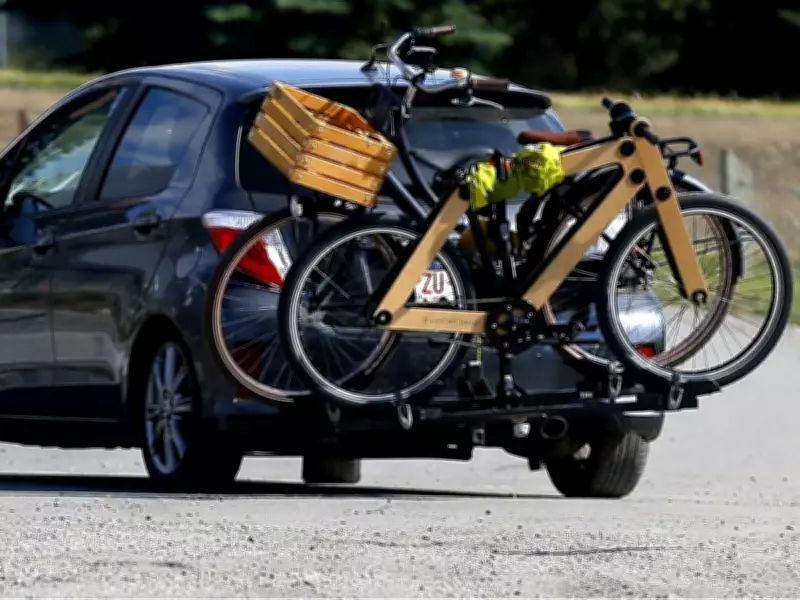
A prominent bike club in south Calgary, boasting around 200 active members during peak riding season, has encountered significant legal hurdles due to provincial license plate laws. The club organizes rides six days per week, with groups of 20 to 25 cyclists participating regularly. Because starting points for these excursions vary across the region, members frequently need to transport their bicycles using racks mounted on the back of their vehicles.
Summer 2024 Ticketing Incidents
In the summer of 2024, two club members were each issued $140 tickets by the Calgary Police Service because their bike racks obstructed the license plates on their cars. Police officers were simply enforcing existing regulations, but the incidents have sparked frustration among the cycling community. The tickets highlight a practical conflict between transportation needs and legal requirements for vehicle identification.
Advocacy for Legislative Solutions
Peter Whitehead, a Calgary resident and club member, has been actively campaigning for changes to prevent such ticketing. For the past year, he has written almost weekly to the premier and every cabinet minister, proposing four potential solutions to address the issue. These options include implementing a duplicate plate system, creating a secondary plate, using a trailer plate, or developing a special bike rack plate specifically designed for cyclists transporting bicycles.

The response from government officials has been notably lacking, with Whitehead receiving only one suggestion from Service Alberta: to remove the license plate from the car and mount it on the bike rack each time bicycles need transportation. This impractical solution has been criticized as inadequate for regular cyclists who frequently use their racks.
"It is obvious from the lack of response from the premier or any cabinet minister that they don’t care what the public wants or needs," Whitehead stated, expressing disappointment with the government's engagement on this matter affecting recreational cyclists.
Broader Implications for Cycling Community
The situation raises important questions about how provincial regulations accommodate active transportation methods. With cycling growing in popularity for both recreation and commuting, many Albertans rely on bike racks for practical transportation of their equipment. The current law creates an unnecessary barrier that could discourage cycling participation and complicate logistics for organized groups.
Whitehead's advocacy underscores a need for regulatory flexibility that balances enforcement priorities with practical realities for cyclists. As the debate continues, the cycling community awaits potential legislative adjustments that would allow them to transport their bicycles without fear of penalties for obscured license plates.