Freight Train Derailment in Rural Connecticut Sends Hazardous Cars into River
A freight train derailed on Thursday morning in Mansfield, Connecticut, causing several cars carrying hazardous materials to tumble into the Willimantic River. Local and state officials have confirmed that, fortunately, no leaks have been detected from the compromised containers, and there are no reported injuries from the incident.
Details of the Derailment and Immediate Response
The derailment occurred shortly before 9:30 a.m. in Mansfield, a rural town located a few miles west of the University of Connecticut. According to Mansfield Fire Chief John Roache, approximately six out of the train's 14 cars left the tracks, with four of those ending up submerged in the river. The cars that derailed were transporting liquid propane, while the remaining cars on the tracks contained other materials.
In response to the potential danger, town officials issued a shelter-in-place order for residents living within half a mile of the derailment site. They emphasized that no evacuations have been ordered, but urged people to stay indoors due to the odorless nature of liquid propane, which makes it difficult to detect leaks by smell alone.

Safety Measures and Ongoing Monitoring
The Connecticut Department of Energy and Environmental Protection, along with local hazardous materials teams, are actively monitoring the situation for any signs of leakage. As a precautionary measure, hazmat booms have been deployed in the water to contain any potential spills. Mansfield Town Manager Ryan Aylesworth stated at a news conference that the situation "seems under control", highlighting the coordinated efforts of emergency responders.
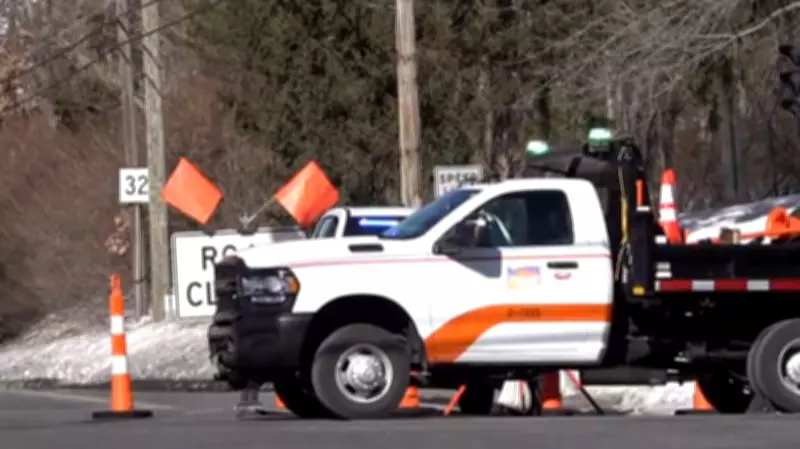
Additionally, the town has closed a nearby roadway to ensure public safety, and school officials are working on alternative bus routes for students to accommodate the disruption when classes conclude for the day.
Challenges in Recovery and Investigation
Fire Chief Roache indicated that the recovery process is expected to be lengthy, potentially taking several days. The derailment occurred in a fairly remote location, and responders are facing difficult, frigid conditions, complicating the cleanup efforts. "It's not going to be a today operation," Roache explained. "They're going to have to get some cranes in there. It's going to take some time."
The cause of the crash remains under investigation by authorities, who are working to determine what led to the derailment. Officials continue to assess the environmental impact and ensure that all safety protocols are followed during the recovery phase.