Cuba Signals Readiness for U.S. Negotiations Amid Escalating Fuel Shortages
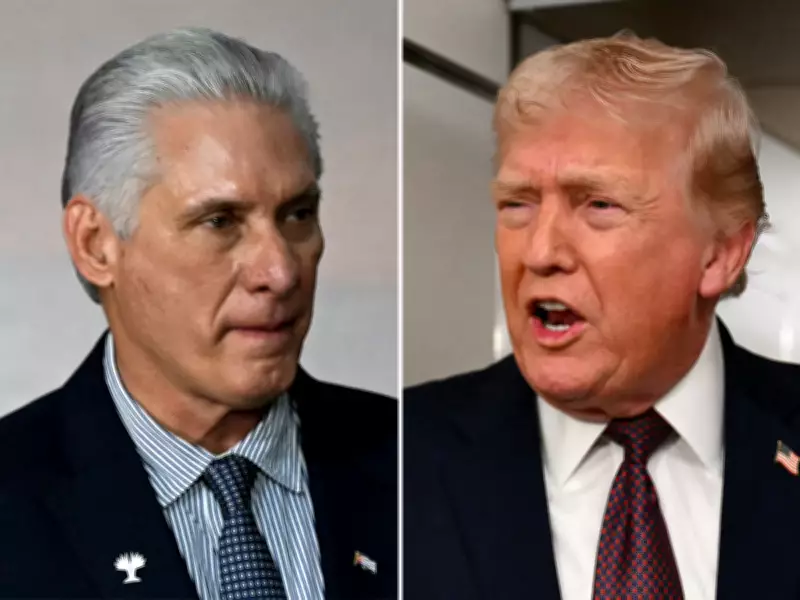
Cuban President Miguel Diaz-Canel has publicly declared his government's openness to engaging in discussions with the United States, as the Caribbean nation braces for severe fuel shortages exacerbated by intensified American sanctions. During a rare press conference held in Havana, Diaz-Canel emphasized that Cuba is prepared to debate any topic with the U.S., but only under conditions of equality and mutual respect, without any preconditions imposed.
Economic Pressure and Fuel Supply Cutoffs
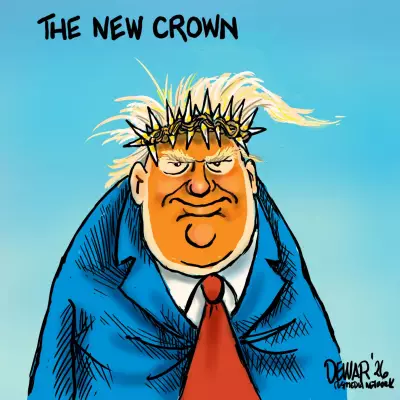
The United States, under President Donald Trump, has significantly tightened its economic and military pressure on Cuba, particularly since early January. This escalation included the capture of Venezuelan leader Nicolas Maduro by U.S. forces, which led to the cutoff of Cuba's primary fuel supply from Venezuela. Additionally, Trump has threatened tariffs against other countries that attempt to assist Cuba with energy shipments, further isolating the island nation.
Analysts tracking oil vessels estimate that Cuba's current fuel inventory could be depleted in less than three weeks, plunging the country into its worst economic crisis since the collapse of the Soviet Union. Diaz-Canel acknowledged the impending difficulties, stating, "I'm not an idealist. I know that difficult times are coming, but, together, we're going to overcome them."

Military Preparations and Allegations
In response to what Diaz-Canel describes as a "newly muscular Washington," Cuba has been strengthening its military defenses and conducting weekend drills with its population. The president also warned of U.S.-backed "terrorist" plots aimed at destabilizing Cuba during this critical period, though he did not provide specific details, promising to denounce such actions at an appropriate time.
U.S. Secretary of State Marco Rubio, who has Cuban heritage, has accused Cuba of sponsoring terrorism and serving as a base for foreign adversaries like China, Russia, Iran, and North Korea. Diaz-Canel firmly denied these allegations, asserting that Cuba only has military cooperation agreements with allies and no foreign military bases, except for what he called the "illegally" operated U.S. base at Guantanamo Bay. "We are not a threat to the United States," he reiterated.
Infrastructure Challenges and Energy Independence Efforts
Even prior to the recent U.S. pressure, Cuba faced frequent blackouts due to fuel shortages and aging infrastructure. For instance, on the day of the press conference, the government was working to restore electricity in eastern Cuba after a generation plant failure. Diaz-Canel noted that oil-shipping companies and nations are hesitant to provide fuel for fear of U.S. retaliation, prompting Cuba to explore refining its own oil and boosting domestic fossil fuel production as part of a broader strategy for energy independence.
This situation highlights the ongoing geopolitical tensions between the two nations, with Cuba's willingness to talk emerging as a potential diplomatic opening amidst economic hardship and regional instability.