China's Lunar New Year Travel Rush Kicks Off with Unprecedented Scale
The annual Lunar New Year travel rush in China has officially begun, with authorities anticipating a staggering record of 9.5 billion trips throughout the holiday period. This massive movement of people, often referred to as the world's largest human migration, underscores the deep cultural significance of family reunions during this festive time.
A Tradition of Homecoming and Celebration
Lunar New Year, also known as the Spring Festival, is China's most important traditional holiday. It is a time when millions of citizens travel back to their hometowns to celebrate with family, partake in festive meals, and observe age-old customs. The travel rush typically spans several weeks, encompassing both the pre-holiday exodus from major cities and the post-holiday return journeys.
The projected figure of 9.5 billion trips represents a significant increase from previous years, reflecting both population growth and improved transportation infrastructure. This includes journeys via railways, highways, airways, and waterways, with railways often bearing the brunt of the passenger load.

Logistical Challenges and Modern Adaptations
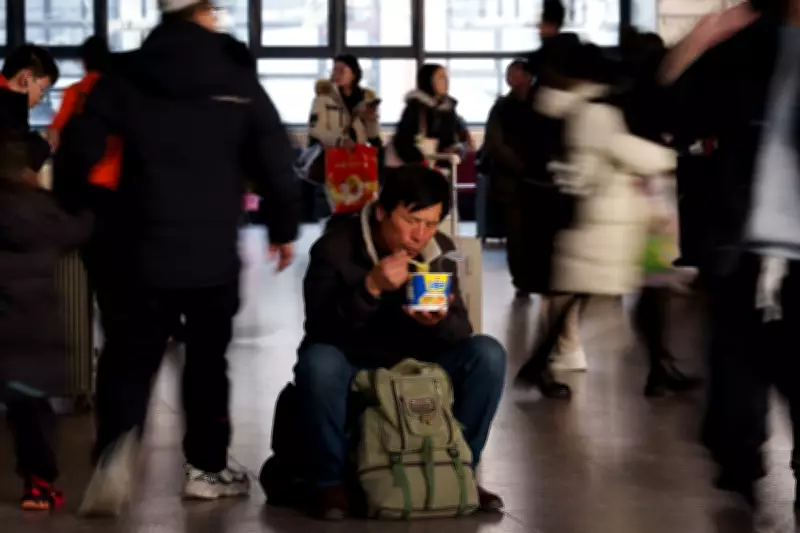
Managing such an immense volume of travelers presents considerable logistical challenges for Chinese authorities. Railway stations and airports become hubs of intense activity, with scenes of crowded waiting areas and long queues becoming commonplace. In Beijing, for instance, travelers were recently observed eating meals while waiting inside railway stations, a testament to the lengthy journeys many undertake.
To accommodate the surge, transportation agencies typically implement special schedules, increase the number of services, and employ advanced ticketing systems. However, despite these measures, securing tickets remains a competitive endeavor for many, often requiring planning weeks or even months in advance.
Economic and Social Implications
This annual migration has profound economic and social implications. It stimulates spending on transportation, gifts, and festive goods, providing a boost to retail and service sectors. Conversely, it also highlights issues such as urban-rural divides, as migrant workers return from cities to less developed regions.
The record expectation for 2026 also points to a post-pandemic recovery in travel enthusiasm, as public health concerns have diminished and people are eager to reconnect with loved ones after potential years of separation or restricted movement.
As the travel rush progresses, it serves as a powerful reminder of the enduring importance of family and tradition in Chinese society, even amidst the rapid modernization and urbanization that characterize contemporary China.