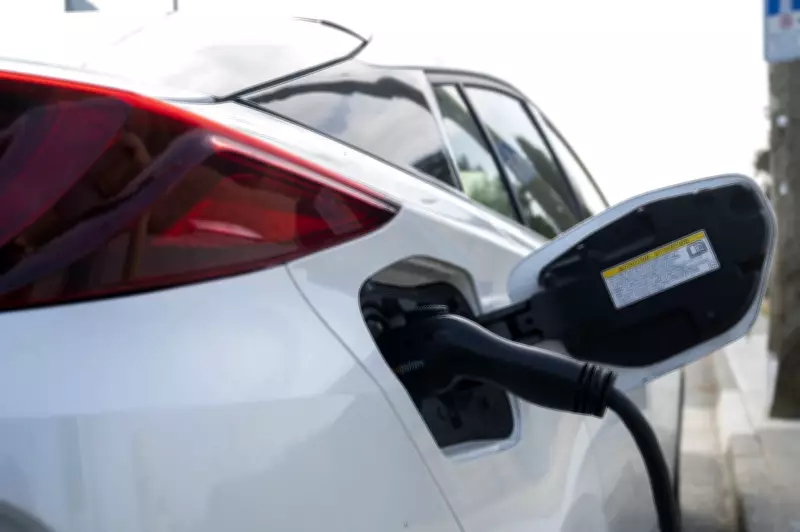
Federal Government Announces Major Expansion of 8,000 New EV Charging Ports Across Canada
In a significant move to bolster the nation's green transportation infrastructure, the federal government in Ottawa has revealed plans to add 8,000 new electric vehicle (EV) charging ports across Canada. This ambitious initiative, announced in February 2026, aims to address the growing demand for reliable charging options as more Canadians adopt electric vehicles.
Accelerating the Transition to Sustainable Mobility
The expansion of EV charging infrastructure is a critical component of Canada's broader strategy to reduce carbon emissions and combat climate change. With the global shift towards lower-carbon drivetrains gaining momentum, the decline in road fuel usage for passenger cars is expected to continue. This federal plan directly supports that transition by making EV ownership more practical and convenient for drivers from coast to coast.
The installation of these 8,000 new ports represents a substantial increase in public charging availability, which is essential for alleviating range anxiety and encouraging widespread EV adoption. Currently, many regions in Canada face a shortage of charging stations, particularly in rural and remote areas, hindering the growth of the electric vehicle market.

Strategic Implications for Canada's Green Economy
This infrastructure investment is poised to have far-reaching effects beyond just transportation. By expanding the EV charging network, the government is fostering job creation in the clean technology sector, stimulating economic growth, and positioning Canada as a leader in sustainable innovation. The move aligns with international trends where nations are increasingly prioritizing green infrastructure to meet environmental targets.
Experts suggest that such investments are crucial for meeting Canada's climate goals, as transportation accounts for a significant portion of the country's greenhouse gas emissions. Enhanced charging infrastructure not only supports individual EV owners but also benefits commercial fleets and public transit systems transitioning to electric power.
Overcoming Challenges and Future Outlook
While the announcement is a positive step, challenges remain in ensuring equitable distribution of these new charging ports. Urban centers like Vancouver, Toronto, and Montreal may see rapid deployment, but attention must also be paid to underserved communities and northern regions. The government will need to collaborate with provinces, municipalities, and private sector partners to implement this plan effectively.
Looking ahead, this initiative is expected to complement other federal policies on electric vehicles, such as purchase incentives and emissions regulations. As technology advances and battery costs decrease, a robust charging network will be indispensable for sustaining the momentum towards a zero-emission transportation future in Canada.
In summary, Ottawa's commitment to adding 8,000 new EV charging ports marks a pivotal moment in Canada's journey towards sustainable mobility. It reflects a proactive approach to infrastructure development that supports environmental stewardship, economic resilience, and the everyday needs of Canadian drivers embracing electric vehicles.