Recently disclosed internal documents have shed light on the Canadian government's efforts to implement travel regulations that grant airlines greater operational leeway. These revelations, detailed in reports from April 2026, highlight a significant push by federal officials to adjust policies in favor of the aviation sector.
Government Advocacy for Airline Flexibility
The documents, obtained through access to information requests, show that government representatives actively lobbied for rules that would reduce stringent requirements on airlines. This initiative aimed to provide carriers with more slack in managing schedules, cancellations, and passenger compensations. The move was framed as a measure to support the industry's recovery and operational efficiency post-pandemic, but it has sparked debate over its implications for traveler rights.
Context and Timing of the Policy Push
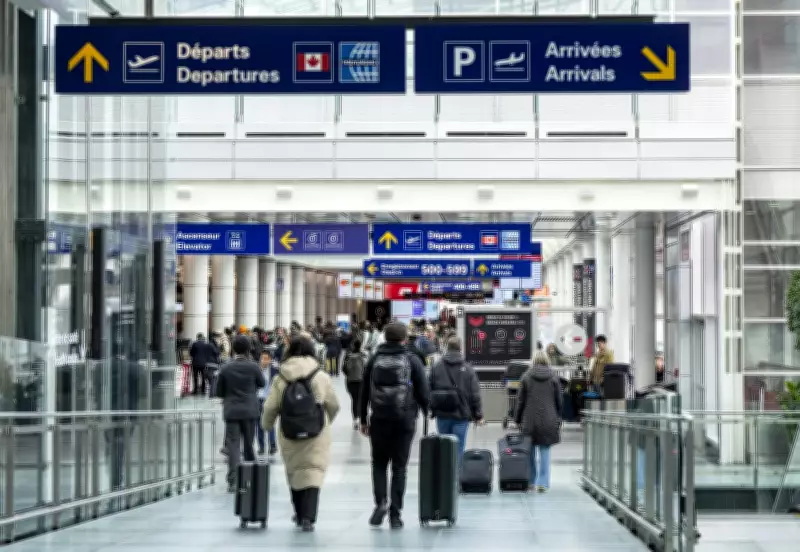
This push occurred against a backdrop of increasing travel demand and logistical challenges in the aviation industry. In March 2026, scenes at airports like Montreal-Pierre Elliott Trudeau International Airport underscored the bustling return of travelers, yet also pointed to potential strains on the system. The government's advocacy for lenient rules appears to have been timed to address these pressures, though critics argue it may compromise consumer protections established in previous regulations.

Implications for Passengers and Industry
The proposed rules could affect various aspects of air travel, including delay handling, baggage policies, and compensation for service disruptions. While airlines might benefit from reduced penalties and more flexible operations, passengers could face less recourse in cases of poor service. This has led to concerns among consumer advocacy groups, who warn that such changes might erode trust and accountability in the aviation sector.
Broader Regulatory and Political Landscape
This development is part of a larger trend in transportation policy, where governments balance industry support with public interest. In Canada, it intersects with ongoing discussions about economic recovery, infrastructure investment, and regulatory reform. The internal documents suggest a deliberate strategy to ease burdens on airlines, potentially influencing future legislation and international agreements on air travel standards.
As these details emerge, stakeholders from across the political and business spectrums are calling for transparency and a reevaluation of the balance between corporate flexibility and passenger rights. The outcome of this policy push could set precedents for how Canada manages its aviation industry in the years to come, with lasting effects on both the economy and everyday travelers.