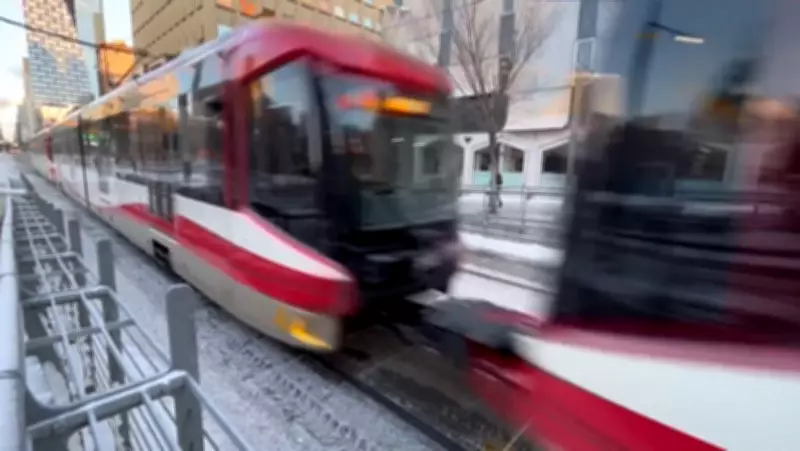
Calgary Transit Launches Public Survey on Downtown Free Fare Zone
Calgary Transit is actively seeking input from its users through a newly launched survey focused on the downtown free fare zone. This initiative aims to gather valuable feedback from the public to assess the effectiveness and future of this transportation policy.
Understanding the Free Fare Zone
The downtown free fare zone allows passengers to ride CTrains within the designated downtown area without paying a fare. This policy has been in place to encourage public transit use, reduce traffic congestion, and support downtown businesses by making transportation more accessible.
By inviting users to share their experiences and opinions, Calgary Transit hopes to gain insights into how the free fare zone impacts daily commutes, ridership numbers, and overall satisfaction with the service.

Survey Details and Objectives
The survey is designed to collect data on various aspects of the free fare zone, including:
- Frequency of use within the downtown area
- Perceived benefits and drawbacks of the policy
- Suggestions for improvements or changes
- Demographic information to understand user profiles
This feedback will be crucial for transit planners and policymakers as they evaluate the zone's continuation, potential expansion, or modifications to better serve Calgary's evolving urban landscape.
Broader Context and Implications
Public transportation systems worldwide are increasingly adopting fare-free zones in city centers to promote sustainability and economic vitality. Calgary's survey aligns with this trend, emphasizing community engagement in transit decision-making.
The results could influence not only the free fare zone but also broader transit strategies, such as service frequency, route planning, and integration with other modes of transportation. By involving users directly, Calgary Transit demonstrates a commitment to responsive and user-centric public service.
Residents and regular commuters are encouraged to participate in the survey to ensure their voices are heard. The findings are expected to be analyzed and used in upcoming transit reviews and policy discussions.