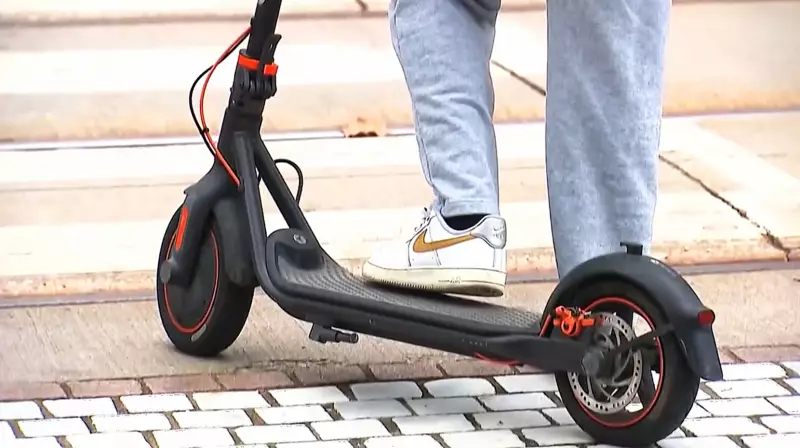
The future of electric scooters on the streets of Barrie hangs in the balance as city officials deliberate on the program's next phase. A recent period of public feedback has revealed a community sharply divided on the benefits and drawbacks of the shared mobility devices.
A City at a Crossroads
Following a pilot project and subsequent public consultation, Barrie's municipal government is now tasked with deciding whether to make e-scooters a permanent fixture. The debate centers on balancing innovation in transportation with public safety and urban aesthetics. The council's decision, expected in the coming months, will set a precedent for micro-mobility in the region.
The Heart of the Debate
Proponents of the program argue that e-scooters offer a convenient, eco-friendly last-mile solution, reducing car dependency and traffic congestion. They are seen as a modern amenity that aligns with sustainable urban planning goals.

Opponents, however, voice significant concerns. Common complaints include reckless riding on sidewalks, scooters being left to clutter public pathways, and potential safety hazards for pedestrians, particularly seniors and those with disabilities. The split in resident opinion presents a clear challenge for policymakers seeking a consensus.
Looking Ahead: Regulation and Integration
The city's next steps will likely involve crafting stricter regulations if the program continues. Key considerations include enforcing designated parking zones, implementing slower speed limits in dense areas, and clarifying where the devices can legally be ridden. The outcome in Barrie will be closely watched by other Canadian municipalities grappling with the same micro-mobility revolution.
As the discussion evolves, the core question remains: Can e-scooters be successfully integrated into Barrie's transportation network in a way that is safe, orderly, and widely accepted? The city's answer will shape its streetscape for years to come.