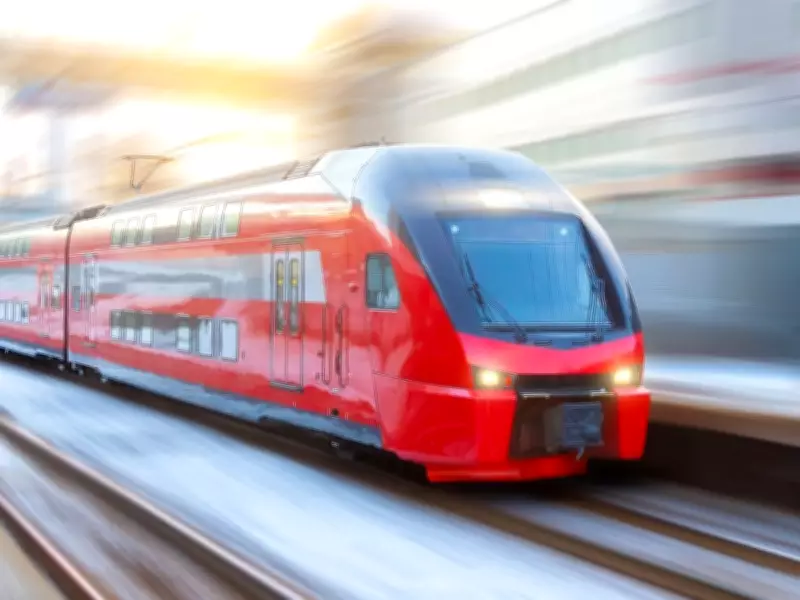
The $90 Billion Question: Alternatives to Canada's High-Speed Rail Proposal
Conservative Leader Pierre Poilievre has declared his intention to cancel the $90-billion Alto high-speed rail project if he becomes prime minister, calling the initiative announced during Justin Trudeau's final days in office an excessive expenditure that would require extensive property expropriations across Ontario and Quebec.
A Staggering Price Tag for Transportation
The proposed high-speed rail line connecting Toronto and Quebec City comes with a jaw-dropping $90 billion price tag, a sum that represents approximately $4,000 for each of Canada's 22 million net tax contributors. While Liberal supporters describe the project as bold and transformative, critics question whether shaving travel time between two provinces justifies such massive expenditure.
Poilievre's primary objection centers on the extensive land seizures required, particularly affecting farmland and private properties along the proposed route. During a recent press conference in Peterborough, Ontario, the Conservative leader emphasized his concerns about property rights and fiscal responsibility.

Historical Precedent: Building Canada from Scratch
Canada's western development provides a compelling historical parallel to contemporary infrastructure debates. The federal government of the late 19th century invested in transcontinental railways that ultimately spawned economic prosperity far exceeding initial costs. Calgary serves as a prime example, with its $100 billion annual GDP, 200 corporate headquarters, and 1.5 million residents existing largely because Canadian Pacific Railroad planners designated it as a strategic rail hub.
This historical success has inspired modern proposals for similar nation-building initiatives, suggesting that $90 billion could fund transformative projects beyond transportation improvements.
The Mid-Canada Corridor Vision
Since the 1960s, visionaries have proposed what's now called the Mid-Canada Corridor, a comprehensive development plan to extend highways, railways, and power lines into Canada's largely unoccupied boreal forest. The concept involves creating a development belt stretching from Labrador to the Yukon, effectively "filling in" the Canadian map with new cities and resource projects.
Proponents estimate this ambitious nation-building initiative would cost approximately $100 billion, making it comparable in scale to the proposed high-speed rail project but with potentially broader economic impacts.
Infrastructure Alternatives at $90 Billion
The debate highlights fundamental questions about national priorities and infrastructure investment:
- High-speed rail connecting Toronto and Quebec City at twice current VIA Rail speeds
- Comprehensive development of the Mid-Canada Corridor with new transportation networks
- Multiple smaller infrastructure projects addressing regional needs across provinces
- Enhanced existing rail systems with more modest speed improvements
- Combined transportation and community development initiatives
The political battle over the Alto project represents more than just transportation policy, touching on questions of fiscal responsibility, property rights, and competing visions for Canada's future development. As the debate continues, Canadians must consider whether high-speed rail represents the best use of $90 billion or whether alternative investments might yield greater national benefits.