

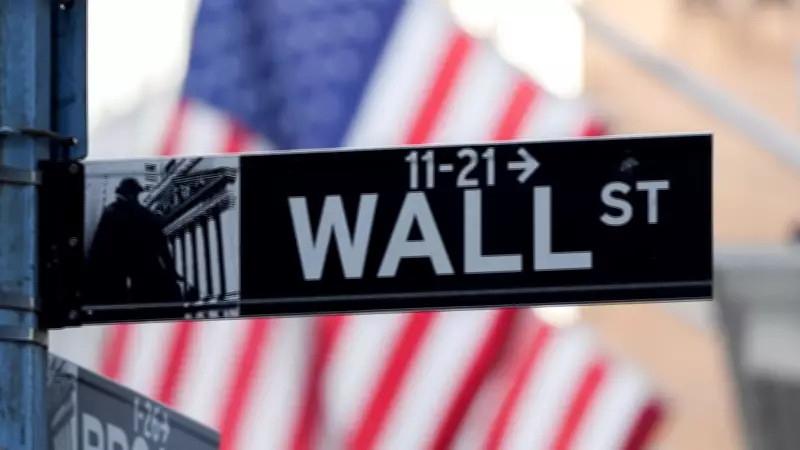
U.S. stocks experienced a significant decline on Friday, with Wall Street poised to close out its fifth consecutive losing week. This marks the longest such streak in nearly four years, reflecting deepening investor anxiety over geopolitical tensions and economic uncertainties.
Market Performance and Early Trading
The S&P 500 sank 0.8% in early trading, exacerbating losses from the previous day, which saw its worst drop since the onset of the war with Iran. The Dow Jones Industrial Average fell by 402 points, or 0.9%, as of 9:35 a.m. Eastern time, while the Nasdaq composite dropped 1%. This downturn breaks from the volatile pattern observed earlier in the week, where daily gains and losses fluctuated with shifting hopes for a potential resolution to the conflict.
Geopolitical Developments and Oil Price Volatility
Following a dismal Thursday of trading, President Donald Trump offered a glimmer of hope by extending a self-imposed deadline to "obliterate" Iran's power plants to April 6. This move is conditional on Iran allowing oil tankers to resume their exits from the Persian Gulf through the Strait of Hormuz. Oil prices briefly retreated after Trump's announcement, signaling a temporary optimism in financial markets that normalcy might return to the critical shipping lane. However, prices quickly resumed their upward trajectory as trading hours shifted from Asia to Europe and back to Wall Street.

Despite Trump's second delay announcement this week, hostilities in the Middle East persisted. Iran showed no signs of backing down, and Israel threatened to "escalate and expand" its attacks on Iran, further fueling market unease.
Expert Insights on Market Sentiment
Doug Beath, global equity strategist at Wells Fargo Investment Institute, commented, "The diplomatic dissonance this week between the U.S. and Iran dismayed investors. By the end of the week, risk appetite could not withstand the fog of war." Jim Bianco, president and macro strategist at Bianco Research, added in a social media post, "Any further statements by Trump about a deal are white noise to the markets. Only if the Iranians say the talks are going well will it impact markets."
Oil Price Surge and Economic Implications
The price of Brent crude rose 2.2% to $104.15 per barrel, up from approximately $70 before the war began. Benchmark U.S. crude increased 3% to $97.28 per barrel. Financial markets fear that prolonged conflict could disrupt oil and natural gas production and transport in the Persian Gulf, potentially keeping significant volumes off the global market. This scenario could trigger a punishing wave of inflation worldwide, not only raising gasoline prices for drivers but also pushing businesses reliant on transportation to increase their own prices.
Strategists at Macquarie warn that if the war continues until the end of June, oil prices could reach a record $200 per barrel, exacerbating economic pressures.
Impact on Federal Reserve and Interest Rates
These concerns have virtually eliminated traders' hopes that the Federal Reserve might cut interest rates this year to stimulate the economy. While lower rates could boost the job market and investment prices, they also risk worsening inflation. Long-term Treasury yields rose further in response to Friday's oil price increase, with the 10-year Treasury yield climbing to 4.46% from 4.42% late Thursday and from just 3.97% before the war began. This rise has already led to higher mortgage and loan rates for U.S. households and businesses, slowing economic activity.
Stock Market Trends and Individual Performances
On Wall Street, most stocks declined, with four out of every five in the S&P 500 falling. A notable exception was Netflix, which gained 0.8% after announcing price hikes for its services. Internationally, stock indexes fell in Europe following a mixed finish in Asia, reflecting global contagion from the U.S. market turmoil.






