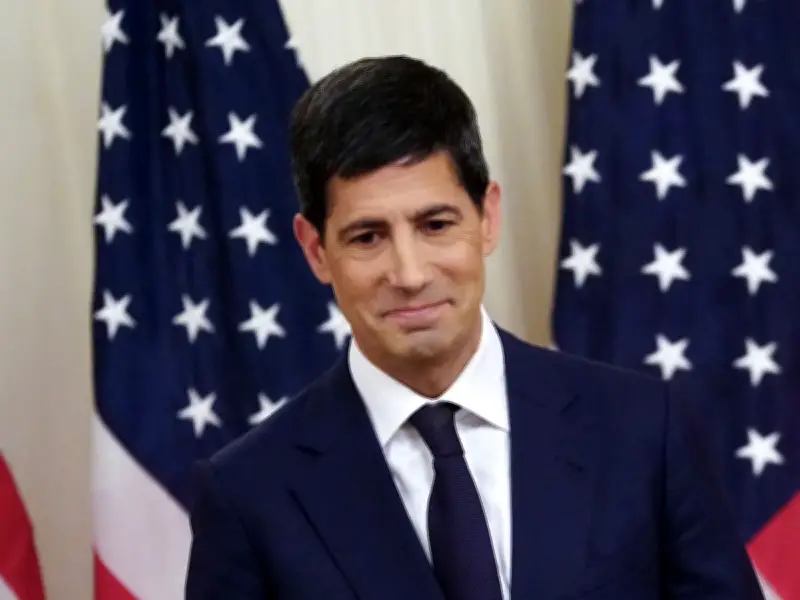
Kevin Warsh is set to lead his first meeting as chair of the Federal Reserve this week, and advocates argue he should immediately raise interest rates to correct the central bank's long-standing bias toward easy money.
The Fed's Failure on Inflation
The Federal Reserve's mandate is to maximize employment and stabilize prices, but critics say it has focused excessively on jobs while allowing inflation to persist. The U.S. economy has been near full employment for 55 consecutive months, yet the Fed has missed its 2% inflation target for 63 straight months. This record of failure is unmatched except during the Great Inflation of the 1970s.
Even the current 2% target may be too high. Warren Buffett, who understands compounding, has called for a zero inflation target, noting that inflation erodes savings and purchasing power dramatically over time. Populists on both the left and right typically advocate for lower interest rates, but they fail to recognize that inflation hurts their core constituents—the poor and middle class—the most.

The Pain of Inflation vs. High Rates
If recent U.S. job reports had been weak instead of strong, there would be loud calls for rate cuts. Yet core inflation remains around 3%, and consumer prices have risen 30% this decade, making the cost of living the hottest issue in American politics. Despite this, there is no outcry for rate hikes. The easy-money camp argues that inflation will pass after each supply shock, whether from the pandemic, tariffs, or geopolitical events. But shocks are constant, and the Fed cannot keep accommodating them.
U.S. politicians resist rate hikes out of fear that someone will get hurt. However, high prices cause more pain than high rates. Persistent inflation has suppressed real wage growth and led to rising defaults on mortgages, credit cards, and car loans. A Fed study found that car loan defaults surged not because of higher borrowing costs, but because buyers needed larger loans to cover soaring sticker prices—up 40% this decade.
The AI Excuse
Another common excuse for easy money is artificial intelligence. In the 1990s, Alan Greenspan justified low rates by citing the internet's potential to boost productivity and curb inflation. Today, some Fed officials, including Warsh, see similar promise in AI. While that may prove true in the long run, the immediate impact of AI is inflationary, as Big Tech's massive investments drive up costs for electricity, semiconductors, and other inputs.
Ruchir Sharma, chair of Rockefeller International and author of What Went Wrong With Capitalism, argues that the Fed must end its easy-money bias now. A rate hike at Warsh's first meeting would signal a commitment to price stability and protect the living standards of ordinary Americans.