

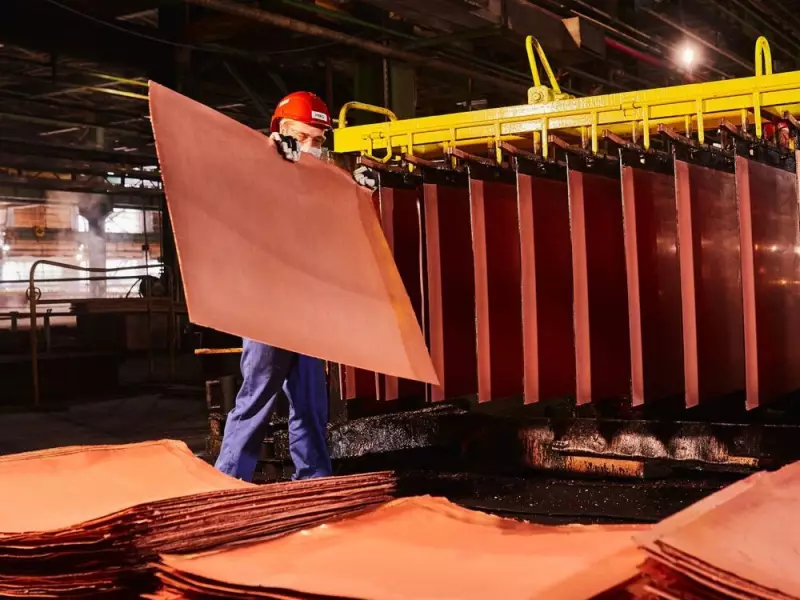
Copper has shattered records, blasting past the US$13,000 per tonne milestone for the first time ever. The red metal's blistering rally resumed with force on Monday, fueled primarily by a renewed scramble to ship material into the United States, which has ignited bullish sentiment among traders and investors globally.
The Driving Force: A U.S. Import Frenzy
The engine of this historic price surge is a massive and sustained flow of copper into the United States. This movement is a direct response to ongoing uncertainty surrounding potential import tariffs under the administration of U.S. President Donald Trump. The threat has caused U.S. copper prices to trade at a persistent premium compared to the benchmark London Metal Exchange (LME), creating a powerful incentive to stockpile metal stateside.
This dynamic has sparked warnings from industry leaders. Kostas Bintas, head of metals at Mercuria Energy Group Ltd., cautioned in November that the U.S. import rush risked leaving the rest of the world short of copper, declaring it a major bullish signal. The data supports the frenzy: U.S. copper imports in December jumped to their highest level since July.

Helen Amos, commodities analyst at BMO Capital Markets, stated, "The historic U.S. inventory build is still in the driving seat of global copper prices."
Underlying Supply Squeeze and Speculative Heat
While the U.S. tariff policy is the immediate catalyst, the rally is supercharged by deep-seated concerns over long-term copper supply. The metal is absolutely vital for the global energy transition, essential for electrical wiring, electric-vehicle batteries, and data centers. However, years of underinvestment in new mining projects, coupled with a series of operational setbacks, have left the market with minimal buffer.
Recent supply disruptions have added fuel to the fire. These include a deadly accident at the world’s second-largest copper mine in Indonesia and an underground flood in the Democratic Republic of Congo last year. More recently, a strike at the Mantoverde mine in Chile helped spur speculative activity, according to Al Munro, senior base metals strategist at Marex.
"The reality is this is a speculative money-led bid as the market sees further upside," Munro said, noting many investors had been waiting for a price dip that never came.
A Broader Metals Boom and Strategic Implications
Copper is not alone in its ascent; it's part of a wider surge in metals markets. Investor flows have recently pushed gold, silver, and platinum to record highs, while aluminum and tin have reached multi-year peaks. This broad-based strength reflects macroeconomic factors and a collective focus on tangible assets and materials critical for modern technology and industry.
Governments are increasingly anxious about securing supplies of critical minerals, with copper at the top of the list. Ewa Manthey, commodities strategist at ING Groep NV, summarized the situation: "Years of underinvestment and ongoing mine disruptions have left the market with little buffer, while tariff policy uncertainty and stockpiling are intensifying the squeeze on available metal."
The price action has been dramatic. Benchmark prices on the London Metal Exchange surged as much as 4.7% on Monday, January 4, 2026. This leap is part of a sustained rally that has lifted copper by approximately 20% since mid-November, setting it on track for significant annual gains.
The trajectory of copper prices now hinges on the resolution of U.S. trade policy and the market's ability to navigate a precarious balance between soaring demand from the energy transition and an increasingly fragile supply chain.






