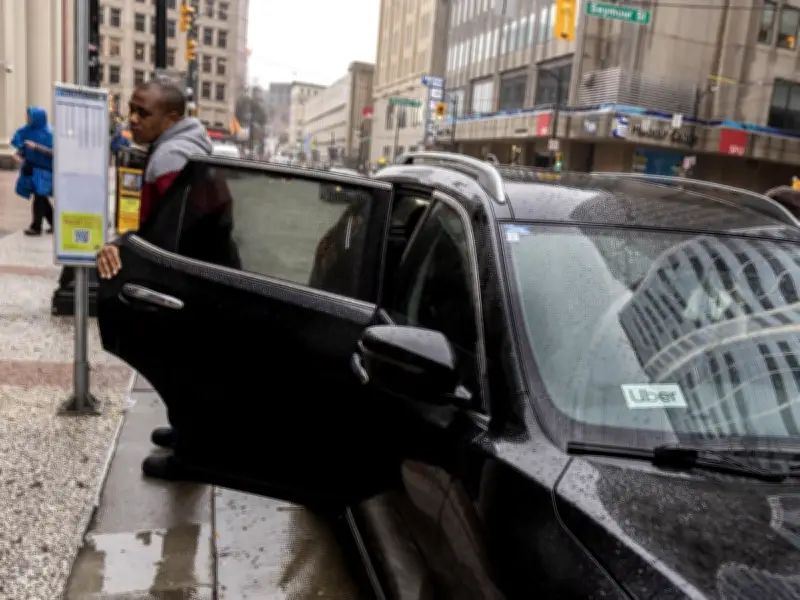
Uber drivers in Victoria, British Columbia, recently unionized, creating a potential pathway for organized labour to reach the massive gig workforce. However, according to employment lawyers Howard Levitt and Jensen McCauley, this move will ultimately harm drivers and customers alike.
Unionization brings mandatory dues and loss of flexibility
Drivers will soon realize the mistake they made, giving up a portion of every pay cheque to dues and, most importantly, handing over their legal rights to the union. Levitt and McCauley argue that out-of-touch labour activists celebrated the announcement, but such celebrations will be short-lived as drivers learn what unions actually bring: mandatory dues, seniority rules, grievance wars, and no guarantee of a pay increase. The pay reduction from dues will be deducted from their pay, and both drivers and Uber bargain in their own interest.
Impact on customers: higher fares and service disruptions
Customers will face higher fares, potential service shutdowns due to strikes, and problematic drivers becoming more difficult to fire, as never-ending union grievances will replace terminations and drivers being banned from the platform. Historically, gig workers like Uber drivers have been independent contractors, setting their own schedules and not being disciplined or controlled by the company. Uber acts as a facilitator, connecting workers to clients.

Changes in legislation and the push to unionize
Both Ontario and British Columbia have passed legislation to create protections for gig workers, including the right to a minimum wage and prohibitions on withholding earned tips. But even with these changes, many gig workers are still classified as independent contractors, not employees. A high-performing, entrepreneurial Uber driver could further their business, getting more trips, higher ratings, and greater earnings. A less entrepreneurial driver won’t and may feel short-changed by their classification. This perceived lack of rights likely led Victoria’s Uber drivers to unionize.
Most union drives start with symbolic injustices and unresolved complaints, and the perceived lack of rights reinforced by legislation extending rights to them would be fertile grounds for unions to take root. By unionizing, Uber drivers will have their hands tied by the union’s rules. They will lose the flexibility that comes with being an independent contractor and will be bound by tighter controls that ultimately benefit the union. Seniority rules will mean that if there is an abundance of drivers at any given time, the newest one would be cut. There could be restrictions on working for other services, such as Lyft, or working outside the industry as the employer will no longer have reason to retain their independent contractor status and will instead require them to work exclusively for it.