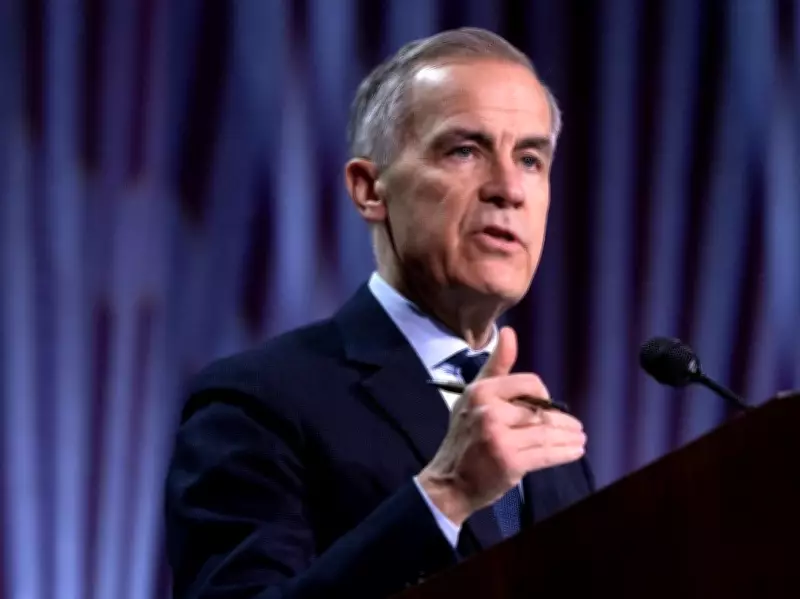
Prime Minister Carney Faces Pressure to Address China's Alleged Forced Labor in EV Manufacturing
Following China's official rejection of expert testimony before a Commons committee alleging the use of forced labor in electric vehicle component manufacturing, Prime Minister Mark Carney is being called upon to clearly and unequivocally state Canada's position on this critical issue. The controversy has escalated amid diplomatic tensions and questions about the integrity of a recent Canada-China trade agreement.
China's Diplomatic Pushback and Parliamentary Controversy
The Chinese embassy in Ottawa issued a strong statement late Friday, labeling allegations of forced labor as a "blatant lie" and accusing critics of attempting to undermine the recent Canada-China EV deal negotiated by Carney and Chinese President Xi Jinping. This diplomatic response came after a contentious parliamentary session where Liberal MP Michael Ma aggressively questioned Margaret McCuaig-Johnston, a senior fellow at the University of Ottawa and recognized China expert, demanding "yes or no" answers about forced labor allegations.
While Ma eventually issued a pro-forma apology stating he condemns forced labor in all forms, and a government spokesman echoed similar sentiments, Carney himself has remained silent on the matter. This silence has raised concerns about Canada's commitment to addressing human rights violations in international trade relationships.

Government Response and International Implications
Natural Resources Minister Tom Hodgson attempted to address the controversy by stating that Canada's opposition to forced labor is clear, suggesting such matters are better discussed privately with China. "We've got clear categories of where we agree, and we've got places where we don't agree," Hodgson said. "Those lines are clear. We don't need to have public discussions about where we disagree. We make that clear to our friends in China."
However, critics argue this approach is insufficient, particularly given the broader international implications. Canada has numerous laws and regulations prohibiting the importation of goods manufactured using forced labor, including provisions in the Canada-U.S.-Mexico Agreement on trade, which is currently up for renewal.
International Scrutiny and Trade Ramifications
The United States recently launched an investigation of 60 countries, including Canada, examining whether they are adequately enforcing rules banning imported goods produced with forced labor. This investigation could potentially lead to new tariffs being imposed on Canada, despite the U.S. facing similar accusations regarding its own practices.
The controversy directly relates to the trade deal Carney negotiated with China, in which both countries reduced tariffs in exchange for Canada allowing 49,000 Chinese-made electric vehicles into its market. This agreement has raised questions about whether Canada is adequately addressing human rights concerns in pursuit of economic benefits.
The Core Question Remains Unanswered
As the prime minister who negotiated the controversial trade agreement and sets national policy, Carney faces increasing pressure to address a fundamental question: Does he believe China engages in forced labor in its manufacturing sector? Critics argue that as the leader who ultimately speaks for Canada, not Liberal spokesmen or cabinet ministers, Carney must provide clear leadership on this issue that has significant implications for Canada's international reputation, trade relationships, and commitment to human rights.
The situation highlights the complex balance between pursuing economic opportunities through international trade agreements and maintaining ethical standards regarding labor practices. With diplomatic tensions rising and international scrutiny increasing, Carney's response—or lack thereof—will have lasting implications for Canada's position on the global stage.