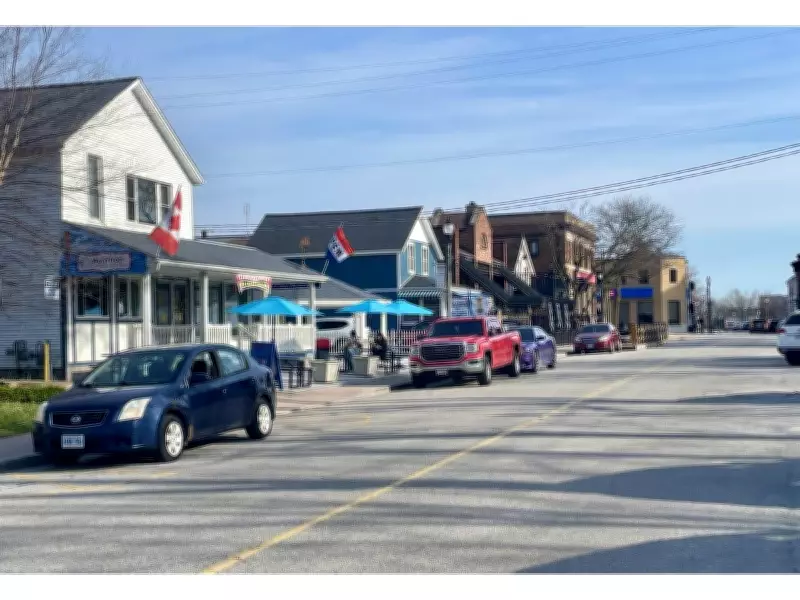
Amherstburg Introduces Third Iteration of Business Licensing Bylaw with Reduced Regulatory Burden
Amherstburg is poised to implement a third version of its business licensing bylaw, presenting a significantly scaled-back proposal following the contentious reception of previous attempts. The town council will deliberate on this new framework during an upcoming meeting, marking a pivotal moment for local governance and commercial operations.
Evolution of Regulatory Efforts
The journey toward establishing a comprehensive business licensing bylaw in Amherstburg has been marked by considerable debate and revision. Initially, the town passed a bylaw in December 2023, only to rescind it after encountering substantial opposition from the business community. A subsequent proposal was rejected in early 2024, highlighting the persistent friction between regulatory objectives and entrepreneurial concerns.
Local enterprises have consistently voiced strong objections to earlier versions, arguing that the bylaws imposed redundant administrative processes and excessive financial burdens. Many small business owners contended that the regulations duplicated existing inspection requirements and introduced onerous annual fees, creating unnecessary strain on their operations.

Key Features of the Revised Bylaw
The latest iteration of the business licensing bylaw represents a deliberate effort to address previous criticisms while maintaining core regulatory goals. According to an administrative report prepared for council consideration, the new framework is designed to be less over-reaching and more affordable for businesses operating within the municipality.
One of the most significant changes involves the fee structure. Under the revised bylaw, businesses not previously registered with the town would pay a one-time licensing fee of $87, a substantial reduction from earlier proposals that included initial fees up to $350 followed by annual charges of $300. This adjustment reflects the town's commitment to minimizing financial barriers for local enterprises.
Streamlined Administrative Processes
The new bylaw introduces several procedural simplifications aimed at reducing bureaucratic complexity. Notably, bylaw enforcement will only conduct inspections when there are reasonable grounds or evidence to suggest a violation exists, moving away from more intrusive oversight approaches.
Furthermore, the licensing department will no longer coordinate fire or building inspections, delegating those responsibilities directly to the relevant departments. This change addresses a major complaint from business owners who argued they were already subject to similar inspections through other regulatory channels.
Business Community Response
Sarah Brush, owner of Speck's Restaurant in Amherstburg and a vocal opponent of earlier bylaw versions, expressed cautious optimism about the revised framework. "I'm pleased to say that the town listened," she remarked. "The updated bylaw is much more reasonable. It's now a one-time application fee of $87 for brick and mortar businesses, and it helps create a proper business registry for the town."
Brush emphasized that the revised approach "ensures that businesses are aligned with the Windsor-Essex County Health Unit and fire code requirements, which benefit both businesses, business owners, and the community as a whole." This sentiment reflects a growing recognition that effective regulation can serve both public safety interests and commercial viability.
Regulatory Objectives and Implementation
The fundamental intent of the business licensing bylaw remains focused on improving consumer safety and recovering costs associated with increased administration and inspections. However, the revised approach seeks to achieve these goals through more targeted and less burdensome means.
As part of the initial business licensing application process, applicants will identify whether they have met all legislative requirements related to fire code, building code, health unit regulations, and other governing agency standards. This self-reporting mechanism represents a shift toward collaborative compliance rather than punitive enforcement.

The bylaw maintains annual renewal fees for specific business categories including taxi operators, taxi drivers, temporary vendor site operators, stationary refreshment vehicles, and mobile refreshment vehicles, recognizing the distinct regulatory needs of these operations.
Looking Forward
Amherstburg's third attempt at implementing a business licensing bylaw demonstrates the complex balance municipalities must strike between regulatory oversight and economic vitality. The revised framework reflects lessons learned from previous iterations and incorporates meaningful feedback from the local business community.
As the town council prepares to consider this proposal, the outcome will likely shape Amherstburg's regulatory landscape for years to come, potentially serving as a model for other municipalities grappling with similar challenges in business regulation and community development.