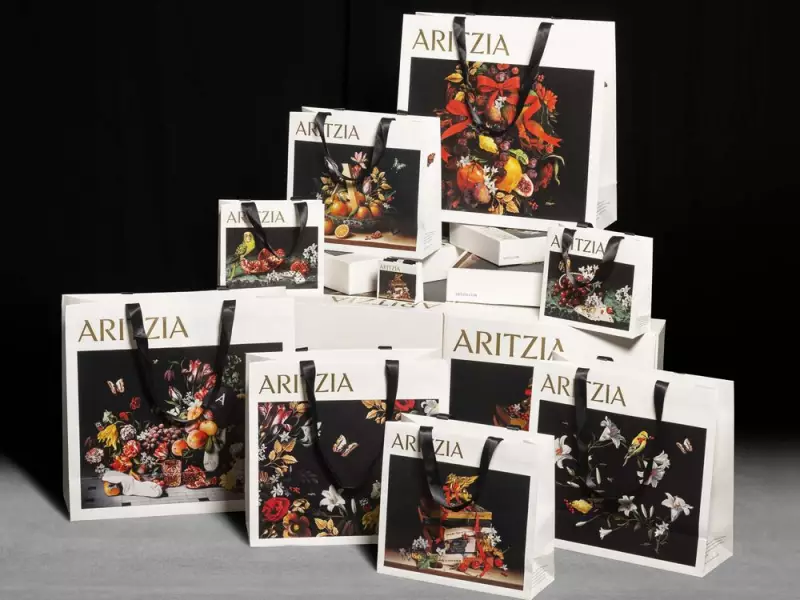
In the early morning light of a late August Tuesday, a dedicated crowd had already begun to form outside the Vancouver Convention Centre. Some enthusiasts had camped overnight, journeying from places like Washington state, all drawn by a venerated local tradition: the Aritzia Warehouse Sale. This eight-day event, complete with an exclusive friends-and-family pre-sale, saw thousands of shoppers leave with bags full of discounted sweaters, viral Super Puff parkas, and bodysuits, later sharing their hauls across social media.
From Humble Vancouver Beginnings to a Retail Powerhouse
This sale, running for over two decades, is more than a local spectacle; it's a financial engine, generating $10 million in retail net revenue in 2024. It symbolizes the powerful, almost cultish, loyalty Aritzia has cultivated, particularly among young women drawn to its "everyday luxury" ethos. The brand's journey began in 1984 when Brian Hill opened the first standalone Aritzia boutique in Vancouver's Oakridge Centre.
Hill's roots in retail are deep. His grandfather, John Hill, purchased a dry goods store location in 1945, and his father, James Hill, along with his uncle Forbes, later transformed it into Hill's of Kerrisdale. It was within this family business that the first Aritzia concept was housed before Brian, at just 23, ventured out independently.

His strategic pivot in the 1990s to design and manufacture in-house fashion labels cemented Aritzia's niche. The bet on attainable luxury paid off, leading to national expansion in 1999 and a crucial first foray into the United States market in 2007. Today, Aritzia operates over 140 stores across the U.S. and Canada, bolstered by a thriving e-commerce platform, and boasts annual net revenue of $2.7 billion.
Navigating Turbulence to Reach New Heights
The path to success, however, was not without significant obstacles. Following years of explosive growth, which even accelerated during the COVID-19 pandemic, Aritzia hit a rough patch. The company struggled with inventory management, unable to keep pace with soaring consumer demand. The leadership of founder Brian Hill and chief executive Jennifer Wong was critical in steering the company through this challenging period, maintaining analyst and investor confidence while resolving supply chain issues.
This strategic navigation set the stage for a remarkable comeback. In 2025, Aritzia's share price more than doubled, even amidst headwinds from international trade wars. This surge elevated its market capitalization to nearly $14 billion, solidifying its status as one of Canada's top-performing companies and a retail success story.
The American Dream and a Cult Following
Central to Aritzia's growth strategy is a recognition shared by many ambitious Canadian businesses: to achieve a new pinnacle, success in the American market is essential. The company's significant physical and digital footprint in the U.S. is a testament to this focus. Meanwhile, its connection with customers remains uniquely strong, exemplified by events like the warehouse sale, which locals monitor via a live traffic camera feed on the Vancouver Sun's website.
By putting its post-pandemic inventory problems firmly in the rearview mirror, Aritzia has emerged stronger than ever. Its story is one of familial legacy, strategic brand building, resilient leadership, and an unwavering connection with its customer base, proving its ability to weather storms and capitalize on its distinctive position in the competitive world of fashion retail.