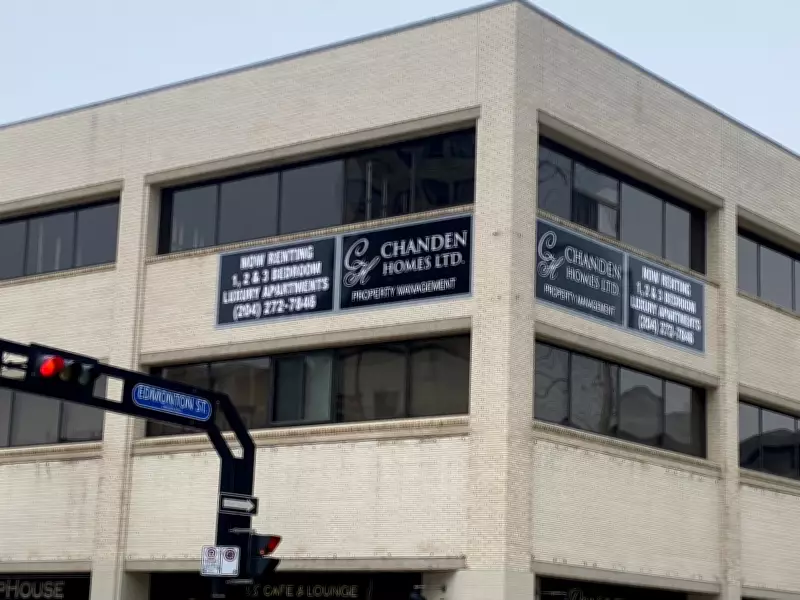
Winnipeg Downtown Office Vacancy Rates on the Decline: Report
A recent report indicates that downtown Winnipeg is experiencing a notable decrease in office vacancy rates, a trend attributed to strategic property conversions and urban development initiatives. This shift reflects broader movements in real estate dynamics as cities adapt to changing work and living patterns.
Property Conversion Sparks Urban Revitalization
Chanden Homes Ltd., a prominent Winnipeg property developer, has acquired 254 Edmonton Street with plans to transform former office spaces into residential units in the coming months. This project is part of a growing trend where underutilized commercial buildings are repurposed to meet housing demands, contributing to the revitalization of urban cores.
The conversion at this key location is expected to not only reduce vacancy rates but also enhance the vibrancy of the downtown area by introducing new residents and supporting local businesses. Such developments are crucial for fostering sustainable urban growth and addressing housing shortages in metropolitan regions.

Factors Driving the Decline in Vacancy Rates
Several factors are contributing to the declining office vacancy rates in Winnipeg. The rise of remote and hybrid work models has led to a reevaluation of commercial space needs, prompting property owners to explore alternative uses for their buildings. Additionally, government incentives and community support for mixed-use developments have accelerated these transformations.
Experts suggest that this trend may continue as more developers recognize the potential in converting office spaces into residential or mixed-use properties. This not only helps in reducing vacancy rates but also promotes environmental sustainability by repurposing existing structures rather than constructing new ones.
Implications for Winnipeg's Real Estate Market
The decline in office vacancy rates is a positive indicator for Winnipeg's real estate market, signaling increased investor confidence and economic stability. As more properties undergo conversions, the city may see a boost in property values and rental incomes, benefiting both developers and residents.
However, challenges remain, such as ensuring that these conversions are accessible and affordable for a diverse population. Stakeholders must collaborate to balance development with community needs, ensuring that urban renewal efforts are inclusive and equitable.
In summary, the report on declining office vacancy rates in downtown Winnipeg highlights a significant shift in urban real estate. With projects like Chanden Homes' conversion at 254 Edmonton Street leading the way, the city is poised for continued growth and transformation, offering new opportunities for residents and businesses alike.