Should Windsor's Business Improvement Areas Get a Cut of Parking Meter Revenue?
A contentious debate is emerging in Windsor, Ontario, as local officials and business leaders consider whether Business Improvement Areas (BIAs) should receive a share of the city's parking meter revenue. This proposal aims to bolster funding for BIAs, which are designated districts where businesses collaborate to enhance the local commercial environment through initiatives like street cleaning, beautification projects, and promotional events.
The Current Funding Model and Proposed Changes
Currently, parking meter revenue in Windsor is funneled into the city's general budget, supporting a wide range of municipal services from road maintenance to public safety. However, advocates for the change argue that BIAs, which rely on levies from member businesses and limited grants, are underfunded and could significantly benefit from a dedicated stream of income. By redirecting a portion of parking meter funds, proponents believe BIAs could invest more effectively in infrastructure improvements, such as upgraded lighting, pedestrian-friendly zones, and seasonal decorations, thereby attracting more visitors and stimulating economic growth.
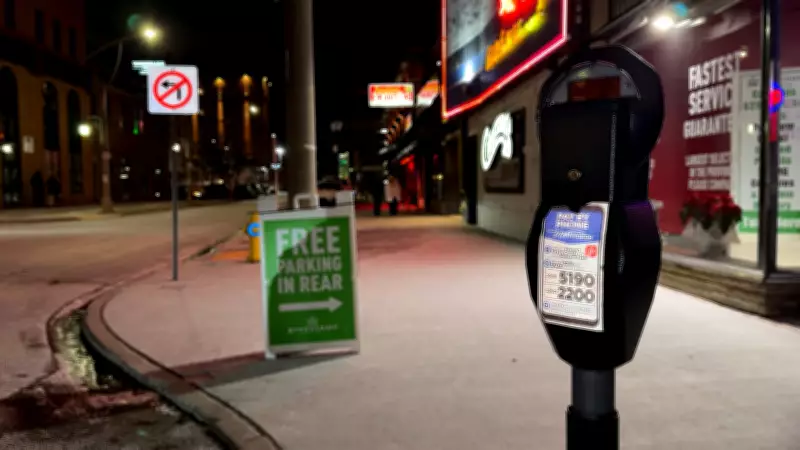
Supporters of the proposal highlight that parking meters are often concentrated in BIA zones, where drivers pay for the convenience of accessing shops, restaurants, and services. They contend that it is only fair for a percentage of this revenue to be reinvested directly into these areas to maintain their appeal and functionality. For instance, in downtown Windsor, where parking meters are prevalent, BIA leaders have expressed that additional funds could help address issues like litter management and security enhancements, creating a safer and more inviting atmosphere for both residents and tourists.

Potential Challenges and Opposition
On the other hand, critics raise concerns about the potential impact on the city's overall budget. They warn that diverting parking meter revenue could lead to shortfalls in other essential services, such as public transit or community programs, especially if the funds are not replaced from other sources. Some municipal officials argue that BIAs already have mechanisms to raise funds through member contributions and should not rely on public revenue streams that are meant for broader community benefits.
Additionally, there are questions about how the revenue share would be implemented:
- What percentage of parking meter income would be allocated to BIAs?
- How would the funds be distributed among different BIAs across Windsor?
- What oversight measures would ensure transparency and accountability in spending?
These logistical details remain unresolved, fueling further discussion among stakeholders. Opponents also point out that parking meter revenue can fluctuate based on factors like seasonal demand and economic conditions, making it an unreliable source for long-term BIA projects.
Looking Ahead: Implications for Urban Development
If approved, this proposal could set a precedent for other municipalities in Canada grappling with similar funding challenges for their BIAs. It reflects a growing trend toward localized investment strategies that prioritize commercial district revitalization as a key component of urban planning. In Windsor, where BIAs play a crucial role in supporting small businesses and fostering community engagement, the outcome of this debate could shape the city's economic landscape for years to come.
As the conversation continues, city council members are expected to review financial reports and consult with BIA representatives to weigh the pros and cons. Public feedback may also be solicited to gauge community sentiment on whether parking meter revenue should serve as a new funding avenue for these business districts. Ultimately, the decision will hinge on balancing the needs of BIAs with the fiscal responsibilities of the municipal government, aiming to create a sustainable model that benefits all Windsor residents.