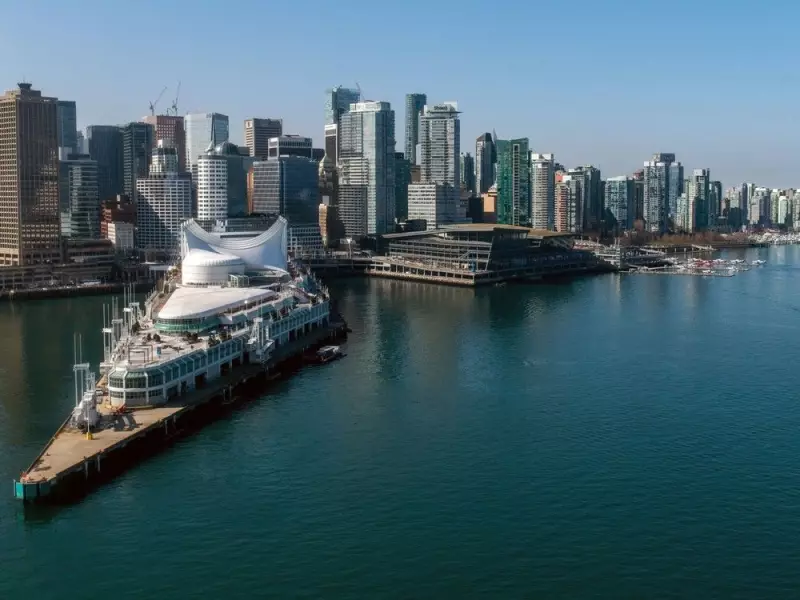
Vancouver is grappling with one of the most acute hotel shortages in North America, a pressing issue that extends far beyond inconveniencing tourists. According to analyst Stanley Dee, the city requires approximately 10,000 new hotel rooms by 2030 to meet current demand, with the need across Metro Vancouver doubling that figure. This deficit is driving peak-season average daily rates above $400 and leading to the conversion of older hotels to other uses.
More Than a Tourist Problem
The scarcity of hotel rooms has wide-reaching consequences for Vancouver's economy and social fabric. It hampers businesses that depend on conferences and conventions, frustrates residents whose visiting families struggle to find accommodation, and tarnishes the city's image as a global destination. The impending FIFA 2026 events have cast a spotlight on this lack of capacity, transforming it from an industry concern into an urgent civic challenge that demands a visionary response.
Rethinking Hotels as Civic Infrastructure
Stanley Dee proposes that Vancouver should view this shortage not merely as a market gap, but as a significant city-building opportunity. The solution isn't just about adding rooms; it's about reimagining what a hotel can be. The most successful modern hotels act as social hubs, blurring the lines between guests and locals by offering inviting public lobbies, cafés, co-working spaces, and gathering areas.

These projects can serve as economic engines and vital social infrastructure when integrated thoughtfully into the urban landscape. The key is to treat them as foundational elements of the city, not as isolated private ventures. The choice is between constructing places that strengthen Vancouver's urban fabric or continuing to lose ground with short-term fixes.
Strategic Placement and Diverse Needs
Location is paramount. New hotels should be built on sites with strong visibility, proximity, and access, following the principles that have guided successful retail and mixed-use development in Vancouver. Strategic areas include downtown blocks near Waterfront Station, the Granville and Davie entertainment corridors, and the emerging Broadway Plan area. A well-placed hotel can support local businesses, promote transit use, and revitalize key urban corridors.
Furthermore, Vancouver doesn't just need more hotels—it needs more variety. The city has a notable lack of extended-stay and lifestyle options suitable for film crews, relocating professionals, and long-term visitors. In an era defined by remote work and fluid mobility, hotels must adapt by offering residential-style layouts that provide connection and community.
This approach, done well, can simultaneously relieve pressure on the tight rental market and cater to the evolving needs of travellers and local workers. By seeing hotels as integral components of both the housing and employment ecosystems, Vancouver can address multiple urban challenges at once, turning a pressing shortage into a legacy of thoughtful, inclusive development.