Vancouver's Commercial Real Estate Vacancy Rate Remains High Amid Hybrid Work
Vancouver's commercial real estate sector is grappling with persistently high vacancy rates, a trend largely attributed to the enduring prevalence of hybrid work models. As of early 2026, the city's office spaces continue to see reduced occupancy, reflecting a broader shift in how businesses utilize physical workplaces.
The Impact of Hybrid Work on Office Demand
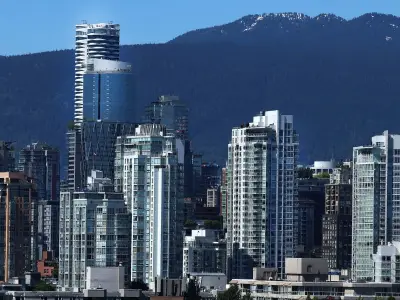
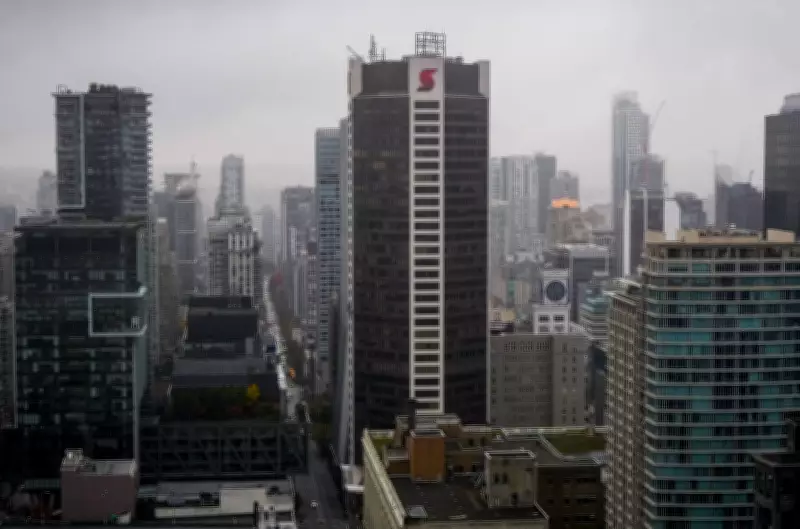
The adoption of hybrid work arrangements, which blend remote and in-office work, has fundamentally altered the demand for traditional office spaces in Vancouver. Many companies have downsized their physical footprints or adopted flexible leasing strategies, leading to an oversupply of available commercial properties. This shift is particularly evident in downtown areas, where numerous office towers stand with significant vacancy levels.
Economic and urban development experts note that this trend is not unique to Vancouver but is part of a larger North American pattern. However, the city's high cost of living and competitive real estate market amplify the challenges for property owners and developers. The sustained high vacancy rates pose risks to property values and municipal tax revenues, potentially affecting local infrastructure and services.

Market Adjustments and Future Outlook
In response to these changes, some property owners are exploring conversions of office spaces into residential units or mixed-use developments to adapt to evolving market needs. This strategy aims to repurpose underutilized buildings while addressing Vancouver's ongoing housing shortage. Additionally, landlords are offering incentives such as reduced rents, flexible lease terms, and enhanced amenities to attract tenants.
Despite these efforts, analysts predict that vacancy rates may remain elevated in the short to medium term, as hybrid work appears to be a lasting feature of the post-pandemic economy. The situation underscores the need for innovative urban planning and real estate strategies to ensure Vancouver's commercial districts remain vibrant and economically viable.
As the city navigates this transition, stakeholders are closely monitoring trends in remote work policies and corporate real estate decisions. The outcome will likely shape Vancouver's commercial landscape for years to come, influencing everything from downtown revitalization efforts to broader economic resilience.