Vancouver Council to Consider Major Zoning Overhaul for Small Hotels and Rental Buildings
Vancouver City Council is set to vote next week on a significant proposal that would rezone approximately 2,400 parcels into a single simplified district, paving the way for small six-storey hotels and rental buildings along major arterial routes in more areas of the city. The proposal, which will be sent to a public hearing for debate and final decision, aims to address critical shortages in both hotel accommodations and rental housing.
Addressing Hotel Room and Rental Shortages
According to a report presented to council, the zoning changes would eliminate the need for site-specific rezoning along major routes, with the goal of streamlining development processes and reducing associated project fees. The initiative is designed to improve the delivery of low-rise market rental opportunities near commercial areas while enabling the development of small-scale hotels outside Vancouver's downtown core.
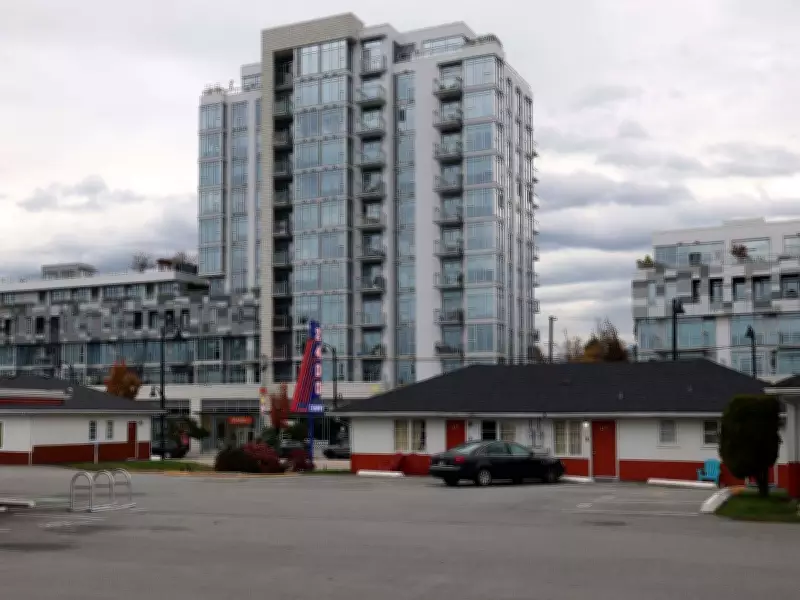
Andy Yan, director of the City program at Simon Fraser University, describes the proposal as having a "back to the future" quality, reminiscent of the low-rise motels that once dotted Kingsway and other major streets. Yan notes that Vancouver appears to be adopting a rezoning approach to tackle a serious shortage of hotel rooms, a problem with broader implications for tourism and the local economy, as well as rental unit availability.

Infrastructure Concerns Raised by Planning Expert
While acknowledging the potential benefits, Yan expresses significant concerns about the lack of accompanying plans to increase infrastructure and transit to support the added density. "This tries to deal with that shortage. But at the same time, what about the infrastructure?" he questions, pointing out that cities often rezone large areas allowing private developers to profit while the public subsidizes the infrastructure needed to support increased density.
Yan highlights that TransLink, the regional transportation authority, must rely on provincial funding for some of its operational needs, creating potential gaps in transportation planning. He remains uncertain about how much additional rental supply the proposal could generate, noting that zoning along many major routes already permits rental buildings.
Tourism Industry Pressures and Development Stagnation
The proposed changes come at a critical time for Vancouver's tourism industry. With the World Cup scheduled to begin in June, Destination Vancouver has been warning about the urgent need for more hotel rooms. A report from last spring indicates that Vancouver requires 10,000 additional rooms by 2050 to keep pace with demand.
Royce Chwin, president and CEO of Destination Vancouver, emphasized the importance of hotel development as a city-building tool, stating, "We're seeing unprecedented interest for investment in new hotel properties in Vancouver. There is an opening to take swift action, otherwise capital will move wherever conditions are more favourable."
Currently, Vancouver hotels are operating at near full capacity, with 80 percent average annual occupancy and up to 95 percent during peak seasons. Despite this demand, development has stagnated, with only 12 new hotels built over the past two decades.
Historical Context and Future Implications
Yan points out that historic city policies have resulted in very few hotels west of Oak Street, making the proposed changes particularly relevant for expanding accommodation options along arterial roads. He acknowledges that for the tourism industry and visitors to the city, adding more accommodation options on these routes makes practical sense.
The council's vote next week represents a pivotal moment for Vancouver's urban development strategy, balancing the need for increased housing and hotel capacity against concerns about adequate infrastructure support. The outcome will shape the city's approach to density management and development facilitation for years to come.