Vancouver's Chief Leonard George Building Blends Indigenous Art with Sustainable Design
In Vancouver's vibrant Grandview-Woodland neighborhood, just off the bustling Commercial Drive, a remarkable new residential structure now stands where a devastating fire destroyed an older apartment building in 2017. The tragic blaze occurred around the Christmas season, displacing dozens of families and leaving many without their cherished possessions. What has emerged from the ashes is not merely a replacement but a thoughtfully designed architectural achievement that honors cultural heritage while embracing cutting-edge sustainability.
A Building Born from Tragedy and Transformation
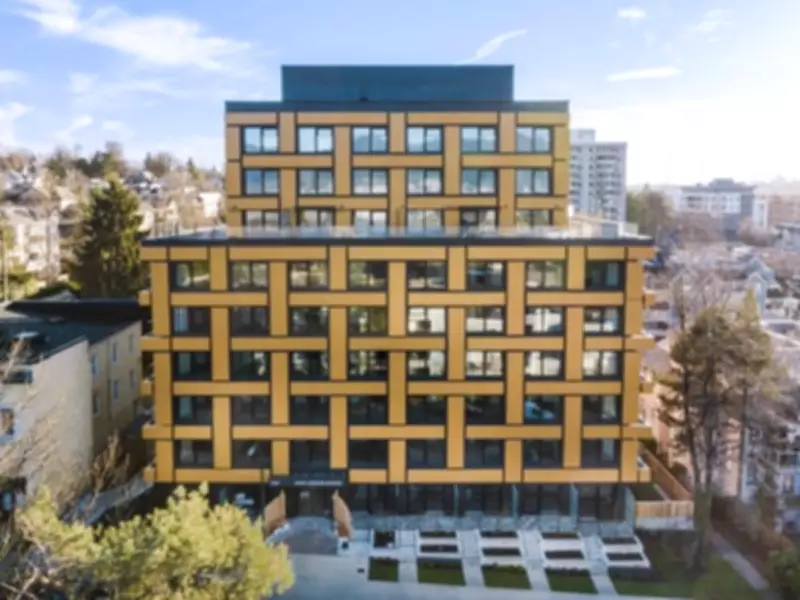
The Chief Leonard George Building represents a nine-storey development that marks a significant milestone in Canadian architecture. This project stands as the nation's first mixed-use, tall mass-timber passive house building, combining residential units with community spaces in an environmentally conscious design. Achim Charisius, associate principal at GBL Architects and the project's lead designer, has been involved from the initial rezoning stages through to occupancy, ensuring the vision remained consistent throughout the process.
"From day one, our intention was not simply to replace what had been lost but to create a culturally meaningful building," explains Charisius. "We aimed for the structure to feel safe, grounded, and welcoming for the people returning to this site." This commitment to comfort and community is embodied in the building's passive house certification, which originally served as a comfort standard emphasizing exceptional air quality and thermal efficiency.

Architectural Facade Honors Ancient Art Form
The building's most striking feature is its facade, which draws direct inspiration from Coast Salish woven basketry—one of the oldest and most significant art forms on the Northwest Coast. This design choice carries both aesthetic beauty and profound emotional weight, connecting contemporary urban living with traditional Indigenous practices.
"For generations, these cedar baskets have carried food, medicines, and children," says Charisius. "This building follows that teaching as a contemporary basket that holds families, culture, and community in an urban setting." The metaphor extends throughout the project, with prefabricated mass timber panels supplied by Vancouver company Intelligent City contributing to both the structural integrity and visual appeal of the design.
Creating Space for Families and Community
The Chief Leonard George Building provides 81 homes ranging from studio apartments to several three and four-bedroom units—a rarity in Vancouver's competitive housing market where family-sized apartments remain scarce. Beyond residential spaces, the development includes a child care center on the ground floor, generous shared amenity areas, and breathtaking views of the North Shore mountains and Vancouver Harbour.
Brenda Knights, CEO of BC Indigenous Housing Society (BCIHS), collaborated closely with GBL Architects to bring this vision to life. She recalls the difficult circumstances surrounding the 2017 fire, noting how families had to evacuate during the holiday season and scramble for housing in an already challenging market while coping with significant personal losses.
"We often use the basket as a metaphor for the weaving of generations in our families," Knights explains. "The basket is also a metaphor for how we used to live together. Its symbolism is meaningful to our organization as we seek to bring back traditional ways of living together." This philosophy permeates every aspect of the project, from the larger family units to the child care facilities and shared spaces designed for cultural programming.
Sustainable Living with Passive House Comfort
The passive house design contributes significantly to the building's appeal, creating calm and pleasant living environments that shield residents from urban noise and temperature fluctuations. "It's amazing when you're in a passive house, because you hardly notice the city around you," Charisius observes. This focus on comfort, combined with the mass timber construction that reduces carbon footprint, positions the building as a model for future sustainable urban development.

The architecture feels considered and warm rather than cold or institutional, with returning tenants expressing excitement about their new homes. The project successfully weaves together Indigenous cultural elements, environmental sustainability, and practical urban housing solutions, creating a meaningful replacement for what was lost in the 2017 fire while establishing new standards for community-focused architecture in Vancouver.