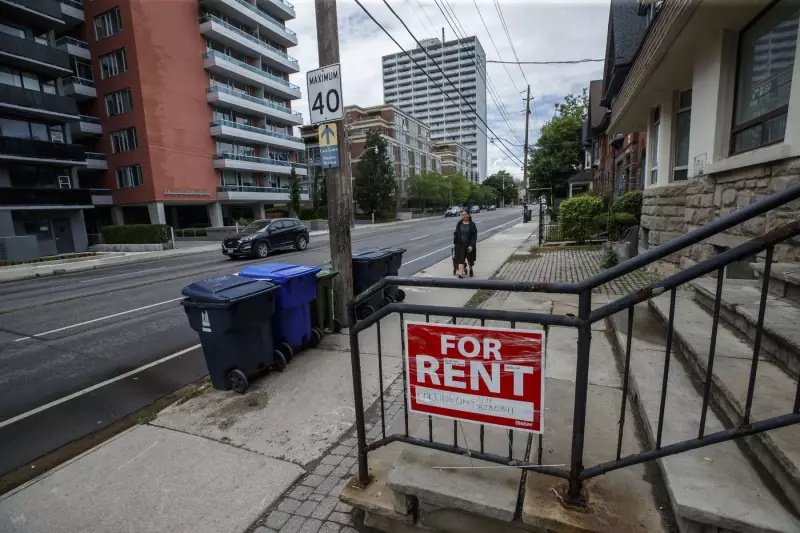
A new report has revealed a significant shift in Toronto's housing market, with average asking rents in the city dropping to their lowest level since early 2022. This development offers a glimmer of hope for tenants in one of Canada's most expensive rental markets.
Report Details and Key Findings
The report, published on January 12, 2026, indicates a notable decline in rental prices across the Greater Toronto Area. While the exact percentage decrease was not specified in the initial summary, the data clearly points to a downward trend that began to materialize over the preceding months. This marks a reversal from the steep and consistent climbs in rent that characterized the market for several years prior.
This cooling period aligns with broader national trends. A separate report noted that average asking rents in Canada fell year-over-year every single month of 2025, suggesting Toronto's experience is part of a larger economic pattern affecting the country's rental landscape.

Context and Market Forces
The last time rents in Toronto were at a comparable level was in the first part of 2022. The subsequent years saw intense pressure on the market, driven by factors including population growth, high interest rates affecting home ownership, and limited new rental supply. The current dip may be influenced by an increase in rental apartment completions, changing migration patterns, and economic pressures that are tempering demand.
This news arrives amidst other significant housing and cost-of-living stories in Ontario. For instance, Health Canada has issued warnings about counterfeit medications in southern Ontario, and a study points to a 'harmful pattern' of alcohol use in the province persisting post-pandemic—both indicators of the financial and social stresses facing residents.
Implications for Renters and the City
For prospective tenants and those looking to move, this report suggests there may be more negotiating power and better value available than in recent years. It could signal a window of opportunity to secure a lease at a more manageable cost. However, experts caution that Toronto's market remains fundamentally tight, and this dip may not signify a long-term crash but rather a market correction or seasonal adjustment.
The decrease in average rent, if sustained, could have wider implications for the city's affordability crisis and attract new residents or encourage mobility within the GTA. It also stands in contrast to other economic headlines, such as the theft of $2 million worth of luxury cars from an Oakville dealership, highlighting the complex economic picture in the region.
As the data from early 2026 is analyzed further, market watchers will be looking to see if this trend continues into the traditionally busier spring and summer rental seasons, or if it represents a temporary respite in one of Canada's most challenging housing markets.