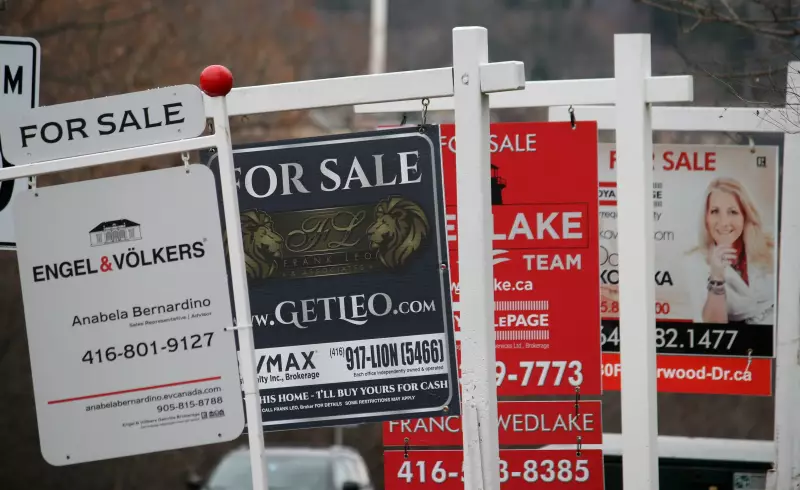
Toronto's mayor is advocating for a significant policy shift that would see purchasers of high-end properties contribute more to the city's coffers. The proposal, framed as a call for affluent buyers to "chip in more," aims to address municipal funding needs through the real estate sector.
Details of the Proposed Policy
The initiative targets the luxury segment of Toronto's housing market. While specific price thresholds or percentage increases have not been finalized, the core idea is to implement a higher tax rate on property transactions above a certain value. The mayor's office suggests this measure could generate substantial revenue for city services and infrastructure projects.
The announcement was made public on December 02, 2025. The mayor's argument centers on the principle of equitable contribution, suggesting that those participating in the high-value real estate market have a greater capacity to support community investments.

Context and Potential Implications
This proposal enters a complex landscape of housing affordability and municipal budgeting in Canada's largest city. Toronto's real estate market has seen significant price fluctuations, with luxury properties often setting market trends. A tax targeting this segment could have ripple effects on the broader market, influencing everything from developer activity to property assessments.
Critics may argue that such a tax could dampen high-end market activity or be passed on in other ways, while proponents likely see it as a tool for progressive fiscal policy. The success of similar measures in other global cities will likely be examined as the debate develops.
Next Steps and Public Reaction
The proposal is in its early stages and would require detailed design, consultation, and council approval before becoming law. Public and stakeholder reaction will be a key factor in its progression. The mayor's office is expected to release more concrete details, including the proposed tax mechanism and revenue projections, in the coming months.
This move signals a continued focus on using municipal tax tools to manage growth and fund city priorities. It also reflects ongoing discussions about wealth, equity, and the role of government in managing hot housing markets. The outcome of this proposal will be closely watched by homeowners, potential buyers, and policymakers across the Greater Toronto Area.