The City of Saskatoon is taking a direct role in acquiring land for supportive housing, using federal funds to purchase several vacant lots after a planned partnership with a First Nation hit a funding roadblock.
Funding Shift Follows Project Hiccup
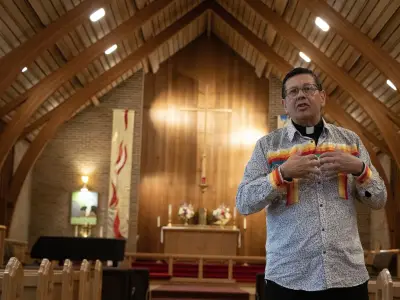
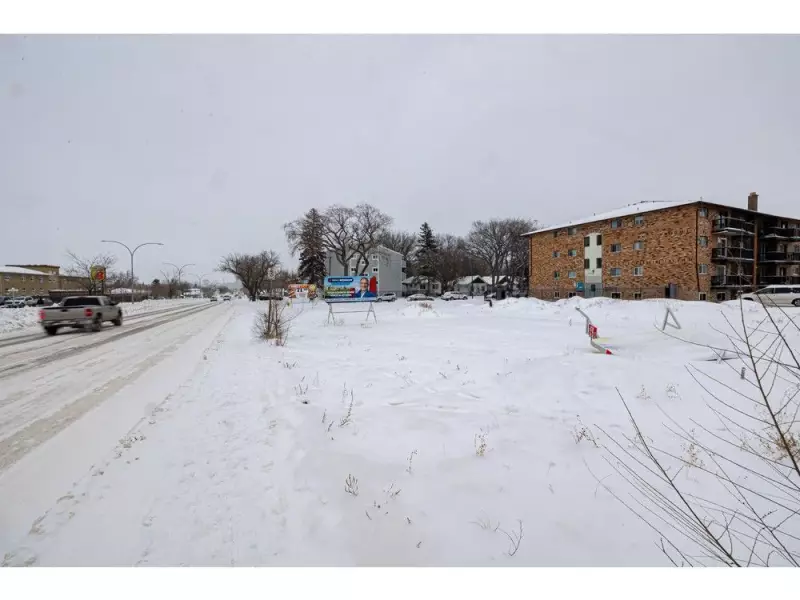
Originally, federal funding was allocated in July to support a project by Ahtahkakoop Cree Nation. The plan was to build supportive housing units across from the Saskatoon Police Service headquarters on 25th Street East. However, the project could not secure the necessary operational funding, which in turn prevented it from accessing the remaining federal capital required to proceed.
While the First Nation continues to explore options for its property, the City of Saskatoon decided to reallocate its reserved funds to meet its own deadlines. The new strategy involves purchasing vacant land to prepare it for future supportive housing developments led by other organizations.

City Council Approves Land Purchases
During a council meeting on Wednesday, December 19, 2024, reports were presented seeking approval to buy four empty lots. The purchases will be made using federal funding, with no direct city cost beyond the eventual property transfer to a development partner.
The approved properties include three lots at 101, 103, and 105 Avenue O South, located across from the Blue Diamond Restaurant on 22nd Street. The federal contribution for these parcels is $735,000. A fourth lot at 1001 20th Street West, beside Isam's Auto Repair, will be purchased for $290,000.
Councillor Randy Donauer questioned whether this move signaled a shift in the city's role from incentivizing housing to owning it. Leslie Anderson, the city's director of planning and development, clarified that this is not a permanent change. "Ownership will be transferred to a partner for development," Anderson stated, emphasizing the city's intent is to facilitate projects, not manage them long-term.
Focus on Indigenous-Led Solutions for Homelessness
Anderson explained the city's specific focus, noting that since a significant portion of Saskatoon's homeless population is Indigenous, the city is exclusively seeking Indigenous partners to develop supportive housing on these newly acquired lands.
Councillor Senos Timon sought assurance that the lands would be used solely for affordable housing. Anderson confirmed that is the unequivocal intent behind the purchases.
The discussion also addressed geographic equity in housing development. Councillor Robert Pearce noted he has heard concerns from residents about a lack of focus on affordable housing in the city's east side. In response, Donauer highlighted an existing partnership to develop 120 affordable housing units on McKercher Drive by the Camponi Housing Corporation, confirming that projects are underway in multiple areas of the city.
This strategic pivot allows Saskatoon to maintain momentum in addressing its homelessness crisis by directly preparing land for culturally appropriate, Indigenous-led housing solutions.