Regina Embraces Edmonton's Innovative Approach to Tackling Derelict Properties
The City of Regina has turned its attention northward for inspiration in addressing the persistent issue of neglected and abandoned residential properties. Following a comprehensive internal review initiated in 2024, Regina's city council has voted to implement a groundbreaking taxation strategy modeled directly after Edmonton's successful program.
Edmonton's Pioneering Framework
Edmonton made Canadian municipal history by becoming the first city to establish a specialized derelict residential property subclass. This innovative approach imposes significantly higher tax rates on problematic properties, creating financial pressure that motivates owners to either clean up, demolish, or sell their neglected lots.
Cate Watt, lead assessor with the City of Edmonton, confirmed that their program has attracted considerable attention from municipalities across the country. "We have been quite under the spotlight over our derelict subclass," Watt told the Regina Leader-Post. "A lot of people are really interested in it, and that's been exciting."

Regina's Implementation Plan
Regina's city council, led by Ward 6 Councillor Victoria Flores, voted on March 25 to create their own derelict property subclass. Under this new framework, properties classified as derelict will be taxed at five times the standard residential rate—an even more aggressive approach than Edmonton's initial three-times multiplier.
The decision came despite city administration's recommendation to maintain the status quo through traditional bylaw enforcement methods. Council members found sufficient support to pursue the more innovative taxation strategy instead.
Regina now plans to spend the coming year conducting an initial scan to identify eligible properties before finalizing implementation details in time for the 2028 taxation year. As this preparatory work unfolds, Edmonton's experience will serve as a valuable blueprint for Regina's municipal planners.
Edmonton's Track Record of Success
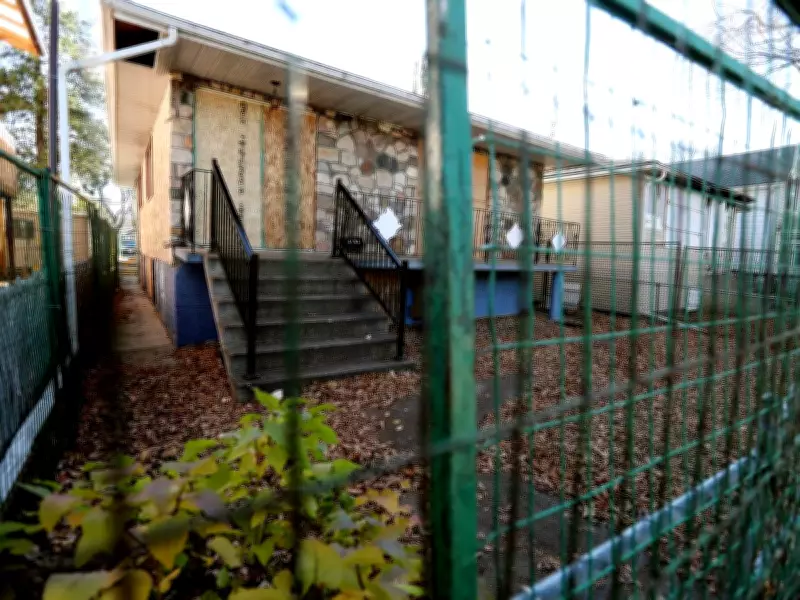
Edmonton's program originated from similar concerns that now face Regina—residents increasingly worried about boarded-up houses that had become sources of fires, criminal activity, and general safety hazards throughout mature central neighborhoods.
Since implementing their subclass in 2023, Edmonton has classified 441 properties as derelict—202 in 2024 and 239 in 2025. The results have been promising, with approximately 30 percent of affected property owners taking corrective action through demolition, remediation, or sale of their properties.
"It's been very successful in achieving what city council was attempting to achieve," Watt emphasized regarding Edmonton's program.
Defining Derelict Properties
Edmonton's definition of "derelict" encompasses residential properties that show clear signs of neglect or have become unliveable. The classification also applies to homes abandoned during construction or demolition phases—a common issue in urban redevelopment areas.
The city has refined its approach over time, adding a tax forgiveness component that allows owners to receive refunds for additional taxes paid during periods when they're awaiting necessary demolition or building permits.
Legal Challenges and Compliance
Remarkably few property owners have contested Edmonton's derelict designations. Only four appeals were filed in 2024, with the city prevailing in the two cases that reached the appeals board. The remaining two appeals were voluntarily withdrawn by the property owners.
This high success rate in both compliance and legal challenges demonstrates the effectiveness of Edmonton's approach and provides Regina with confidence as they develop their own implementation strategy.
As Regina moves forward with its ambitious plan to revitalize neglected neighborhoods through strategic taxation, Edmonton's proven model offers both inspiration and practical guidance for municipal leaders seeking innovative solutions to urban blight.