Tenants across Quebec are seeing a continued decline in rental costs, according to the latest market data. The average price for rental units in the province has dropped once more, offering a potential respite for renters in a historically tight market.
Market Trends Show Sustained Decrease
The downward trend in average rent marks a notable shift for Quebec's housing landscape. While specific figures from the report were not detailed in the summary, the overall direction points to increased affordability for many residents. This change is being closely monitored by economists, tenants, and landlords alike.
The data, reported on January 12, 2026, confirms a pattern that began to emerge in previous quarters. Analysts suggest several factors could be contributing to the easing of prices, including an increase in housing supply in certain urban centers and changing demographic movements.

Montreal's Rental Landscape
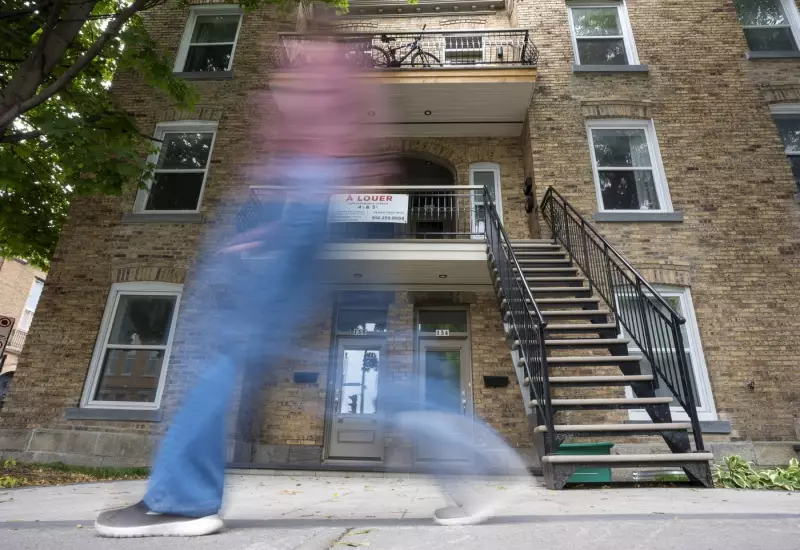
Montreal, as Quebec's largest city, often sets the tone for the provincial rental market. A photograph from June 26, 2025, depicted a rental sign outside a Montreal apartment, symbolizing the ongoing activity in the city's housing sector. The recent price drop suggests the city's market may be cooling from previous highs, potentially opening doors for new residents and those seeking to move.
This development in Quebec contrasts with housing challenges reported in other parts of Canada, such as the evacuation orders due to heavy rain in British Columbia and the housing-related issues highlighted in other news items.
Broader Context and Implications
The decline in average rent occurs amidst a complex national economic environment. Other reports from January 2026 indicated that Albertans expect to face more debt issues, and the Competition Bureau announced a study into financing for small and medium businesses. The Quebec rental market shift may reflect broader economic pressures and consumer behavior changes.
For tenants, this trend could mean more negotiating power and a wider selection of available units. For property owners and investors, it signals a need to adjust expectations and strategies in a changing market. Housing advocates will likely watch to see if this trend leads to long-term stability or is a temporary correction.
As the situation evolves, potential renters are advised to research local markets thoroughly, as averages can mask significant variations between neighborhoods, property types, and building ages. The overall drop, however, provides a glimmer of hope for those priced out in recent years.