Federal Government's Silence on Office Needs Creates Uncertainty in Ottawa's Commercial Real Estate Market
Commercial real estate experts and property managers in Ottawa are operating with significant uncertainty as the federal government has yet to provide clear guidance on its long-term office space requirements. This lack of communication is causing challenges for planning and investment in the downtown core, where the government is the largest tenant.
Impact on Downtown Ottawa's Office Vacancy Rates
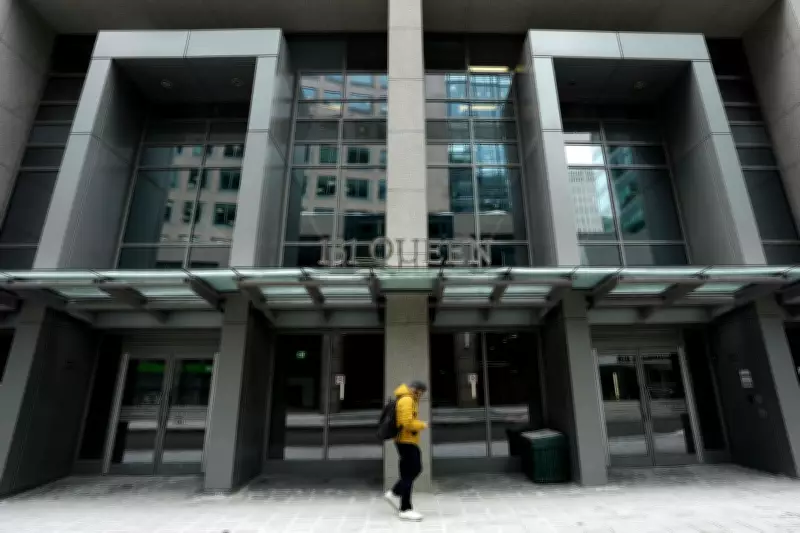
The ambiguity surrounding federal workspace needs directly affects vacancy rates in prominent downtown buildings. A prime example is 131 Queen Street, a 14-storey office tower that stands as a symbol of the current market conditions. Without definitive information from government officials, property owners and developers cannot accurately forecast demand or make informed decisions about renovations, leasing strategies, or new constructions.
This situation creates a ripple effect throughout the local economy, influencing everything from property valuations to small businesses that rely on federal employees for customer traffic. Real estate analysts note that the prolonged uncertainty could lead to decreased property investments and slower recovery for Ottawa's commercial sector post-pandemic.

The Broader Context of Federal Workspace Strategy
The federal government's approach to office space has evolved significantly in recent years, with many departments adopting hybrid work models. However, the absence of a comprehensive, publicly communicated strategy leaves market participants guessing about the scale and timing of any potential return-to-office initiatives.
"Without clear signals from the government, we're essentially planning in the dark," explained one commercial real estate broker who requested anonymity due to ongoing negotiations. "This affects not just large property owners but also the many service businesses that depend on downtown office workers."
Looking Ahead: Potential Scenarios and Market Implications
Industry professionals are considering several possible outcomes:
- Reduced Footprint Scenario: The government might consolidate into fewer buildings, potentially increasing vacancy rates in older properties.
- Hybrid Model Expansion: Continued flexible work arrangements could maintain current vacancy levels with periodic occupancy fluctuations.
- Modernization Push: Potential preference for newer, more sustainable buildings could shift demand within the market.
The timing of any federal announcement will be crucial for market stability. Delayed decisions could prolong the current uncertainty, while sudden policy changes might create disruptive adjustments in leasing patterns and property values.
As Ottawa's commercial real estate community awaits clarification, the situation underscores the complex relationship between government policy and urban economic development. The federal government's eventual decisions will likely shape Ottawa's downtown landscape for years to come, affecting everything from transit planning to local retail viability.