NDG Tenants Remain in Limbo One Week After Building Evacuation
Residents of an apartment building in Montreal's Notre-Dame-de-Grâce (NDG) neighbourhood continue to face uncertainty and frustration one week after being forced from their homes due to critical safety concerns. The evacuation order, issued by city officials, has left dozens of tenants without clear answers about when they might return or whether they will receive compensation for lost rent.
Sudden Displacement and Temporary Shelter
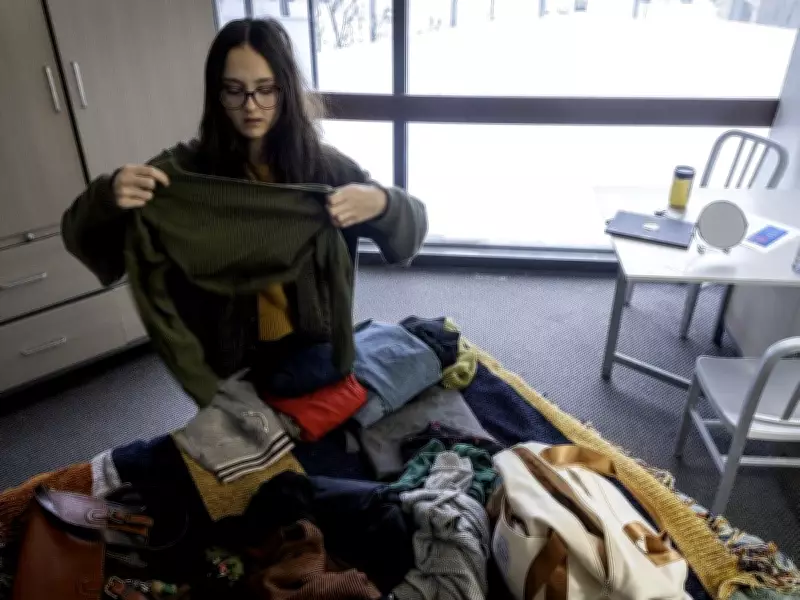
Lhea Noble, one of the affected tenants, described her experience as feeling "like I'm on an unwanted vacation." She now resides in temporary accommodation at the Evo student residence, a facility she characterizes as "cold and grey" and located farther from her workplace. The city provided this shelter after deeming the Old Orchard Avenue building unsafe, but the arrangement has brought its own challenges.
Noble's situation is particularly difficult because the temporary residence does not allow pets. Her two cats, Fish and Oscar, whom she considers emotional support animals, must stay with friends. "They're my babies, the best part of my life," she expressed, noting that their absence has disrupted her sleep and compounded the stress of displacement.

Safety Concerns and Landlord Communication
The evacuation followed a series of escalating issues within the building. Tenants reported losing heat around January 12th. On January 14th, some residents received a report from engineering firm Ortam Groupe, dated November 3rd, indicating potential structural dangers. The situation worsened when a sulphur smell prompted calls to the fire department.
When city inspectors visited on January 20th after another heat shutdown, they learned of the engineering report and immediately ordered the evacuation of upstairs apartments and ground-floor businesses on Monkland Avenue. Despite this, tenants say their landlord, Efaco Management Inc., has been largely unresponsive to their inquiries.
Frustration Mounts Among Displaced Residents
Tobias Goulem, another tenant, echoed the widespread frustration, stating he "hasn't gotten a single response back" from the landlord regarding questions about January rent reimbursement. "We just don't know anything at all," he said. "So we're just kind of like in limbo waiting."
Interim borough mayor Sonny Moroz clarified that responsibility for follow-up with residents lies with the landlord. He advised tenants to meticulously document all communications and contact the city's 311 service if the landlord remains unresponsive, emphasizing the importance of obtaining reference numbers for their complaints.
Legal Recourse and Next Steps
Tenants have begun seeking assistance from Quebec's housing tribunal and the housing rights organization LogisAction. While they prefer to resolve matters amicably, they are prepared to take legal action if necessary. "If they're not responding, they're not giving us back our money, they're not going to help us with housing," Goulem stated, "then, it's unfortunate, but we will have to."
The situation highlights ongoing challenges in Montreal's rental market, particularly regarding landlord accountability and tenant protections during housing emergencies. As the displaced residents await further updates from engineers and property management, their temporary limbo continues, underscoring the human impact of building safety failures.