Montreal Tenant Accuses Landlord of Cutting Heat in Winter to Force Eviction
In a shocking case of alleged tenant mistreatment, a Montreal resident claims his landlord intentionally cut off his heating during the dead of winter in an effort to force him out of his home. The incident has drawn public attention and political intervention, highlighting ongoing housing tensions in the city.
Tenant's Allegations and Political Response
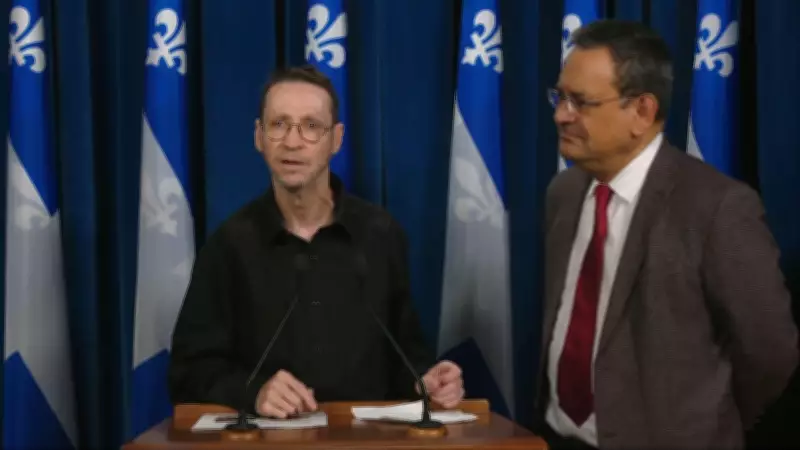
Roger Fournier, the affected tenant, detailed his ordeal at a news conference held on Friday, February 13, 2026. He stated that the heating in his apartment was abruptly disconnected, leaving him to endure freezing temperatures during one of the coldest seasons. Fournier believes this action was a deliberate tactic by his landlord to pressure him into vacating the property, possibly to make way for higher-paying tenants or renovations.
Standing alongside Fournier was Andres Fontecilla, a representative from Québec Solidaire, who condemned the landlord's alleged actions as unethical and potentially illegal. Fontecilla emphasized the need for stronger tenant protections in Quebec, arguing that such practices exploit vulnerable residents and exacerbate the housing crisis. He called for immediate government intervention to investigate the case and ensure accountability.

Context of Housing Issues in Montreal
This incident occurs against a backdrop of rising housing costs and affordability challenges in Montreal. With rental prices increasing and vacancy rates low, tenants often face pressure from landlords seeking to maximize profits. Cases of alleged harassment, including utility cutoffs or neglect of repairs, have been reported previously, though this instance stands out due to its timing in winter, which poses serious health and safety risks.
Under Quebec's rental laws, landlords are required to provide essential services like heating, especially during cold months. Failure to do so can result in legal penalties, including fines or compensation orders. However, enforcement can be slow, leaving tenants in precarious situations. Fournier's case has sparked renewed calls for faster dispute resolution mechanisms and harsher sanctions for violations.
Potential Legal and Social Implications
If proven, the landlord's actions could lead to legal consequences under the province's Civil Code and rental regulations. Tenants have the right to a habitable living environment, and cutting off heat in winter may constitute a breach of this obligation. Fournier may seek remedies such as rent reduction, damages, or an injunction to restore services.
Beyond the legal aspects, this case underscores broader social issues related to housing insecurity. Advocates point out that low-income and marginalized communities are disproportionately affected by such practices, as they may lack resources to challenge landlords in court. The involvement of Québec Solidaire suggests a political dimension, with parties leveraging tenant struggles to push for policy reforms ahead of upcoming elections.
Looking Ahead: Calls for Action
As the story gains media traction, public outrage is mounting. Community groups are organizing support for Fournier, including potential protests or petitions to demand stricter oversight of landlords. Meanwhile, housing experts recommend that tenants document any issues and contact local tenant associations for assistance.
In response, government officials have indicated they will review the case, though no formal investigation has been announced yet. The outcome could set a precedent for how similar disputes are handled in the future, potentially leading to enhanced protections for renters across Quebec.