Montreal Realtor Questions OQLF Over English Facebook Posts: 'Is It Necessary?'
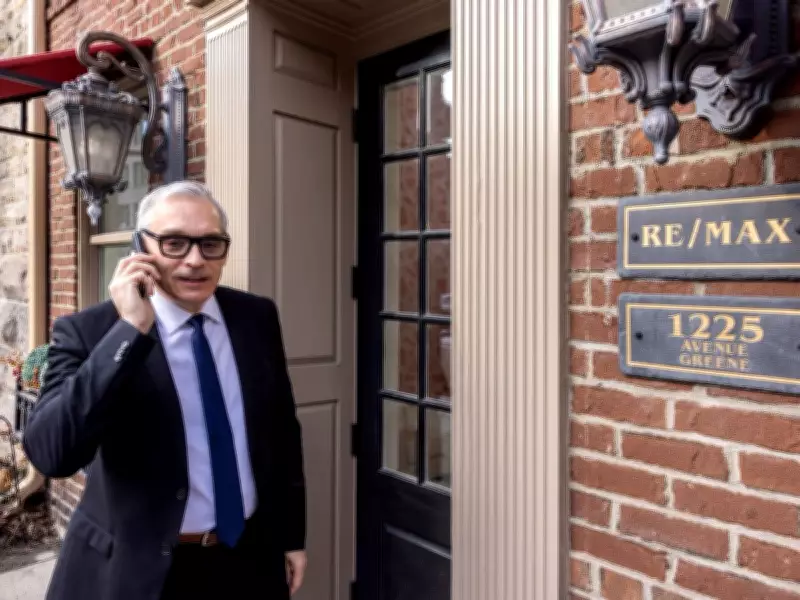
Montreal real estate broker Mario Conte has voiced strong concerns after being contacted by Quebec's language watchdog, the Office québécois de la langue française (OQLF), regarding English-only posts on his Facebook page. Conte, who has worked in real estate since 1998, described feeling "very upset" upon receiving a letter from the OQLF about three weeks ago, notifying him that a complaint had been filed about the commercial content on his social media.
Clash Between Language Rules and Online Reality
Conte explained that his social media accounts, which boast thousands of followers across Facebook and Instagram, blend business with personal life to help clients connect with him. Scrolling through his feed, a condo listing in both French and English might appear just before a birthday message or family photo, typically written in English. However, the OQLF's inspection found that some commercial posts were not entirely in French, prompting Conte to question the practicality of such enforcement on global platforms.
"I get it, if I put an ad in a local borough strictly in one language," Conte said. "But you're looking at a platform which is worldwide. Where do we draw the line?" He added that he tried to contact the agency for clarification but never received a response, feeling bounced from one desk to another without resolution.

Growing Business Backlash Against OQLF Scrutiny
Conte's case is part of a broader trend, with a growing number of businesses, particularly small family-run operations, speaking out against what they perceive as unfair targeting by the language watchdog. Last month, a family-run bakery in Montreal's Villeray neighbourhood went public after the OQLF alleged that several TikTok posts were not accessible in French under equivalent conditions, sparking viral attention on Instagram.
Under strengthened language rules adopted by Premier François Legault's government in Bill 96, businesses in Quebec must make commercial publications available in French, including online communications intended for the provincial market. This has expanded the OQLF's powers to enforce the Charter of the French Language, with its budget rising to $49 million for 2024-25, more than double its funding in 2017-18.
Enforcement Extends Beyond Online Platforms
The scrutiny is not limited to digital spaces. Recent reports indicate that Quebec is preparing to send undercover observers into thousands of stores to monitor the languages retail workers use to greet customers. In 2025, two Montreal companies were each fined $1,500 for publishing commercial content online in another language without providing an equivalent French version, highlighting the financial stakes for non-compliance.
Conte emphasized the changing business environment since he started in real estate nearly three decades ago, noting, "When I started, the internet didn't exist." He questions whether current language rules reflect the reality of running his business, which serves a diverse clientele including local families and international investors from over 30 nationalities.
OQLF Response and Business Implications
In a statement, the OQLF confirmed it had contacted Conte's company after receiving a complaint, stating it is available to assist in ensuring customers have access to information in French. The office relies on business cooperation and implements a support process to help make necessary adjustments, with 93.8% of cases resolved collaboratively. The watchdog added that businesses may operate separate language versions of social media accounts, but must ensure content for the Quebec market is published simultaneously in French.
Conte remains skeptical, pointing out that social media platforms offer translation features and not all potential buyers understand French. "If they're going to start policing the internet ... policing Instagram and whatever ... I mean, we're only shy of 18,000 real estate brokers here in the province. I believe 75 or 80 per cent of the accounts are going to be attacked by them," he said. "I'm just wondering, is it necessary?"

As political issues weigh on voters' minds, with Legault's Coalition Avenir Québec polling at about 14% compared to over 40% in the 2022 election, the tension between language preservation and modern business practices continues to simmer in Quebec's commercial landscape.