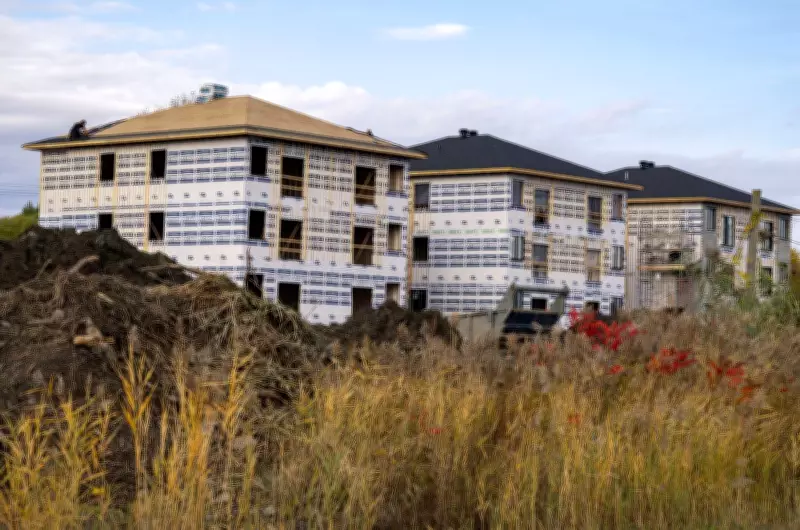
Montreal-Area Home Sales Experience Notable Decline in January
The Greater Montreal real estate market has begun the year with a noticeable cooling trend, as new data reveals a substantial decrease in residential transactions. According to the latest figures released by the Quebec Professional Association of Real Estate Brokers (QPAREB), home sales across the Montreal census metropolitan area (CMA) fell by 15% in January 2026 compared to the same month last year.
Analyzing the Market Slowdown
This significant drop in sales activity marks a shift from the previously robust market conditions that characterized much of the preceding years. The 15% decline represents one of the more pronounced monthly decreases observed in recent periods, suggesting that various economic factors may be influencing buyer behavior and market dynamics.
The cooling trend appears across multiple property types, including single-family homes, condominiums, and plexes. While specific price point data for January was not immediately available in the initial report, historical patterns suggest that sales declines often correlate with adjustments in pricing expectations between buyers and sellers.

Potential Contributing Factors
Several elements may be contributing to this market adjustment:
- Interest rate environment: While rates have stabilized from previous highs, they remain elevated compared to historical lows, affecting purchasing power.
- Seasonal patterns: January typically represents a slower period for real estate, though the 15% year-over-year decline exceeds typical seasonal variations.
- Economic uncertainty: Broader economic conditions, including employment trends and consumer confidence, may be influencing purchasing decisions.
- Inventory levels: The balance between available properties and buyer demand continues to evolve across different segments of the market.
Regional Market Variations
While the overall Montreal CMA experienced a 15% sales decline, it's important to note that real estate markets often show considerable variation between different neighborhoods and municipalities within the greater region. Some areas may be experiencing more pronounced slowdowns, while others maintain relatively stable transaction levels.
The QPAREB report, which serves as a key indicator of housing market health in Quebec's largest urban center, provides valuable insights for prospective buyers, sellers, and industry professionals navigating the current market landscape.
Looking Ahead
Market analysts will be closely monitoring February data to determine whether January's decline represents a temporary adjustment or the beginning of a more sustained cooling period. The coming months will reveal how the spring market—traditionally a busier season for real estate—responds to current economic conditions and buyer sentiment.
This sales data comes amidst broader national conversations about housing affordability and market stability, making the Montreal market's performance particularly noteworthy as an indicator of regional economic health and consumer confidence in Quebec's largest metropolitan area.