Housing advocacy groups in Montreal are issuing a powerful call to action, urging municipal authorities to aggressively convert the city's stock of abandoned buildings into desperately needed social housing. This push comes as the city grapples with a severe housing affordability crisis and visible urban decay.
The Catalyst: A Decade of Neglect
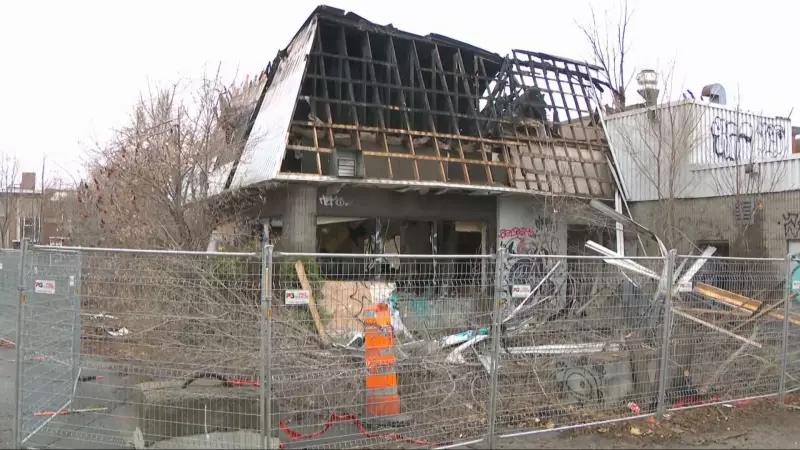
The issue was brought into sharp focus by the recent fate of a specific property. A former restaurant located in the Rosemont district stood abandoned for a staggering 13 years before a fire caused significant damage to the structure just last week. This incident serves as a stark example of what advocates describe as a wasted resource. They argue that such long-vacant properties represent not only blight on neighbourhoods but also a profound missed opportunity to address the shortage of affordable places to live.
A City-Wide Problem Demanding Action
The groups behind this initiative emphasize that the Rosemont restaurant is far from an isolated case. They point to numerous other empty commercial and residential buildings across Montreal's boroughs that could be renovated and repurposed. The core of their argument is that converting these existing structures is often faster and more cost-effective than building new social housing from the ground up. This strategy, they contend, can simultaneously revitalize streets, increase community safety, and provide homes for individuals and families on waiting lists.

The advocacy stems from a deepening concern over rising rents, declining vacancy rates, and the growing number of Montrealers struggling to find secure, affordable housing. The call to action is directed at all levels of government, but with a specific focus on municipal policies and zoning regulations that could facilitate such conversions.
The Path Forward and Potential Impact
While the proposal is clear, implementing it requires coordinated effort. Housing groups suggest the city could employ tools like expropriation or tax incentives to compel property owners to either develop or sell neglected buildings. They also recommend creating a public registry of vacant properties to increase transparency and accountability.
If successful, this approach could add hundreds of units to Montreal's social housing portfolio over the coming years. Proponents believe it is a pragmatic and immediate step that can be taken alongside longer-term construction projects. The movement highlights a shift in strategy, focusing on utilizing the city's existing urban fabric to solve a modern crisis, rather than letting it crumble into further disrepair.