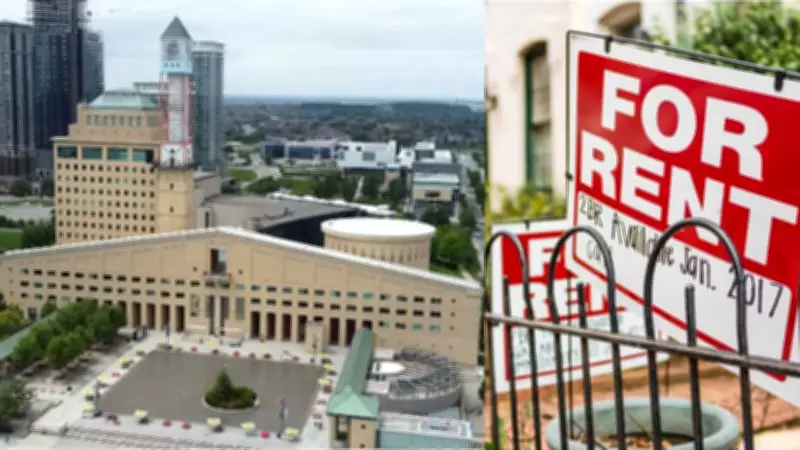
Mississauga Introduces Groundbreaking Bylaw to Combat Unlawful 'Renovictions'
In a significant move to safeguard renters, Mississauga City Council has unanimously approved a new Rental Repairs and Renovations Licensing By-law, aimed at curbing the practice of 'renovictions' where tenants are unlawfully evicted under the pretext of property renovations. The bylaw, passed on April 1, 2026, introduces stricter regulations for landlords, making it more challenging to displace residents without just cause.
Key Provisions of the New Bylaw
The made-in-Mississauga legislation requires landlords to obtain a specific license before undertaking major repairs or renovations that could necessitate tenant relocation. This process includes:
- Mandatory Licensing: Landlords must apply for and secure a renovation license from the city, detailing the scope and necessity of the work.
- Tenant Notification: Enhanced communication requirements ensure tenants are informed well in advance of any planned disruptions.
- Right to Return: Provisions guarantee tenants the option to return to their units at the same rental rate once renovations are complete, preventing opportunistic rent hikes.
- Penalties for Non-Compliance: Fines and legal actions will be enforced against landlords who violate the bylaw, offering a deterrent against abusive practices.
Addressing a Growing Housing Concern
This initiative responds to rising concerns over housing affordability and stability in Mississauga, where reports of renovictions have increased amid a tight rental market. By implementing these measures, the city aims to balance property maintenance needs with tenant rights, ensuring that renovations are conducted transparently and fairly.

The bylaw reflects a proactive approach to urban governance, aligning with broader efforts across Ontario to protect vulnerable renters. It is expected to set a precedent for other municipalities grappling with similar issues, as housing advocates have long called for stronger protections against predatory landlord practices.
Impact on the Community
Local residents and tenant advocacy groups have welcomed the bylaw, highlighting its potential to reduce homelessness and displacement. However, some landlord associations express concerns over increased regulatory burdens, though city officials emphasize that the rules are designed to be reasonable and focused on preventing abuse rather than hindering legitimate property improvements.
As Mississauga continues to grow, this bylaw represents a critical step toward fostering a more equitable rental environment, ensuring that tenants can feel secure in their homes without fear of unjust eviction.