Historic Lunar Mission Blasts Off with International Crew
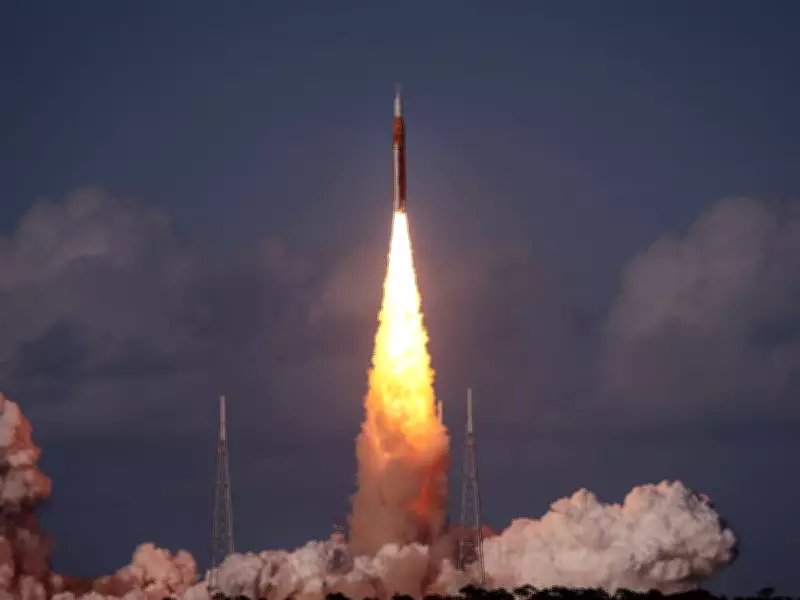
NASA's monumental Artemis II mission successfully launched from Kennedy Space Center in Cape Canaveral, Florida, on Wednesday, April 1, 2026, marking humanity's return to crewed lunar exploration after more than five decades. The powerful Space Launch System rocket roared to life at approximately 6:35 pm local time, carrying four astronauts on a groundbreaking journey around the Moon.
International Crew Makes History
The diverse crew includes three American astronauts—commander Reid Wiseman, pilot Victor Glover, and mission specialist Christina Koch—alongside Canadian mission specialist Jeremy Hansen. This mission represents several historic firsts: the first person of color, the first woman, and the first non-American to embark on a lunar mission.
"We are going for all humanity," declared Canadian astronaut Jeremy Hansen during final pre-launch checks, capturing the international spirit of the mission.

Record-Breaking Journey Ahead
If the mission proceeds according to plan, the Artemis II crew will establish a new record by traveling farther from Earth than any humans in history. The approximately 10-day journey will see the astronauts complete a lunar flyby without landing, testing critical systems and manual piloting capabilities of the Orion spacecraft.
Artemis launch director Charlie Blackwell-Thompson addressed the crew directly before liftoff, stating: "On this historic mission, you take with you the heart of this Artemis team, the daring spirit of the American people and our partners across the globe, and the hopes and dreams of a new generation."
Years of Preparation Culminate in Successful Launch
The launch represents the culmination of years of preparation, overcoming numerous delays and technical challenges. Originally scheduled for February 2026, the mission faced repeated setbacks that required rolling the massive rocket back to its hangar for analysis and repairs.
Despite these challenges, launch conditions proved nearly perfect with a 90 percent chance of favorable weather. An estimated 400,000 spectators gathered along Florida's Space Coast to witness the historic event, cheering as the orange-and-white rocket ascended into the evening sky.
Building Toward Future Exploration
The Artemis II mission serves as a critical test flight for NASA's ambitious lunar program. The Space Launch System rocket, making its inaugural crewed flight, represents America's renewed capability for deep space exploration. This mission paves the way for future Moon landings and establishes the foundation for eventual human missions to Mars.
The program has faced political pressure from President Donald Trump's administration, which has pushed for accelerated timelines with the goal of returning astronauts to the lunar surface before the end of his potential second term in early 2029.
During their journey, the astronauts will conduct extensive systems checks on the Orion spacecraft, which has never before carried human passengers. These tests will verify the vehicle's reliability and safety for future missions that will establish a permanent human presence on the Moon.